How to Buy Used Measurement Devices Worldwide?

Buying Used Measurement Devices worldwide can reduce capital costs, but price alone is a weak buying signal. A second-hand spectrum analyzer may look attractive online, yet its calibration label could be expired. Its display may hide intermittent faults. The seller’s documentation matters as much as the instrument itself.

Grand View Research estimated the global test and measurement equipment market at approximately USD 28.8 billion in 2023. Its 2024 report also projected steady growth through 2030. MarketsandMarkets reported similar expansion, driven by electronics, telecommunications, automotive, and industrial testing. These reports cover the broader equipment market, not only used products. That distinction is important. It is often overlooked.

John Fluke Sr., founder of Fluke Corporation, is widely credited with saying, “If you can’t measure it, you can’t fix it.” His principle remains practical when evaluating pre-owned equipment. Buyers should verify the exact model, serial number, operating range, firmware, accessories, and calibration history. An ISO/IEC 17025-accredited calibration certificate provides stronger evidence than a simple seller statement. Still, certificates can be outdated.

A reliable international purchasing process should compare total landed cost. Include inspection, insurance, shipping, duties, taxes, local electrical requirements, and technical support. Check whether the seller permits functional testing before payment. Ask for timestamped photographs showing ports, screens, labels, and internal condition when appropriate. Confirm warranty terms in writing. The best deal is not always the cheapest listing. Sometimes, the cheapest instrument becomes an expensive lesson. This guide examines how to source Used Measurement Devices responsibly, compare suppliers, and reduce technical and commercial risk across borders.
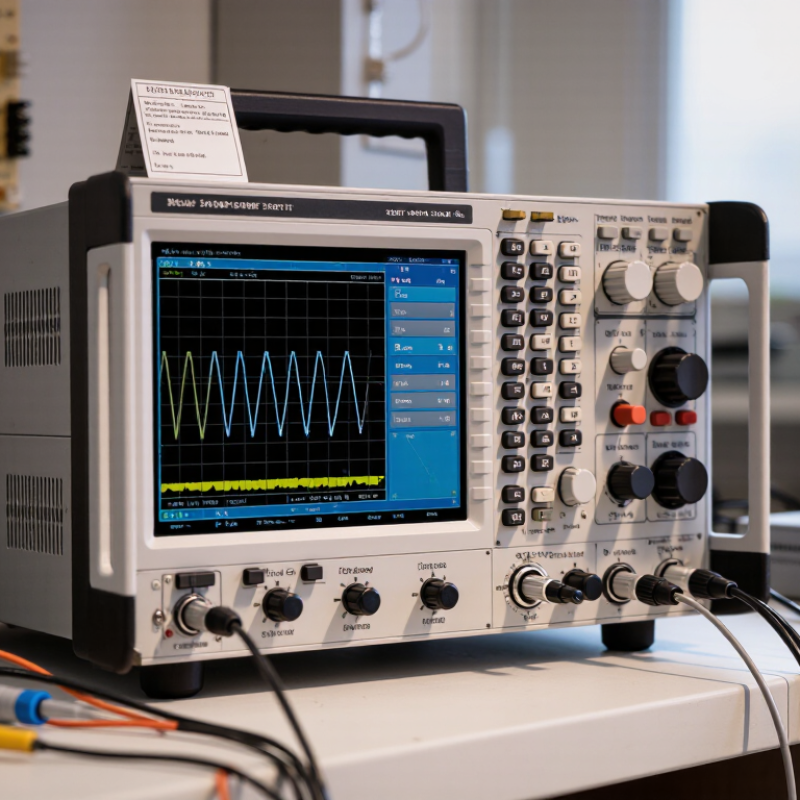
How to Buy Used Measurement Devices Worldwide?

Define Your Measurement Needs and Used-Device Requirements

When buying used measurement devices worldwide, define the measurement task before browsing listings. Write down the measurand, expected range, accuracy, resolution, sampling speed, and operating environment. A temperature check in a clean workshop differs from a field test beside vibrating machinery. State whether you need contact probes, isolated inputs, data logging, or remote control.

Keep the requirement practical. I once accepted a lower price because the range looked sufficient, then found its resolution too coarse for small changes. That mistake delayed testing and increased shipping costs. Ask for serial details, service history, calibration date, and clear photos of connectors and displays. Request a live demonstration when possible.

Used equipment should match your process, not merely resemble a new specification sheet. Compare uncertainty, repeatability, warm-up time, and response behavior under realistic conditions. Check whether accessories are included, compatible, and safe for your setup. Calibration evidence matters, but a certificate alone cannot prove current performance. An independent inspection can reveal worn switches, unstable readings, damaged seals, or missing records. For international purchases, confirm voltage, plug configuration, packaging strength, delivery terms, and return arrangements. Do not ignore local import and safety requirements; verify them with qualified professionals. Some requirements remain unclear until the first trial. Record every assumption in writing, including acceptable error and test conditions. A cheaper device is not always economical when recalibration, adapters, and downtime enter the calculation.

Find Reliable Global Sellers and Compare Available Devices

How to Buy Used Measurement Devices Worldwide?

Buying used measurement devices worldwide requires more than checking the lowest price. In my experience, reliable sellers provide clear photographs, complete specifications, and honest condition reports. Ask for the device’s serial number, service history, calibration date, and included accessories. Request a short power-on video when possible. It can reveal unstable displays, damaged ports, or unusual noise. A professional seller should answer technical questions directly, not avoid them. However, even careful sellers can miss small faults. Leave room for uncertainty.

Tips: Compare several listings in one spreadsheet. Record model details, measurement ranges, accuracy, age, calibration status, shipping costs, and return terms. Check whether the seller has consistent reviews from verified buyers. A long selling history helps, but it is not proof of perfect equipment. Ask whether the device was stored in a dry, controlled environment. Moisture damage may not appear in photographs.

When comparing available devices, focus on the measurement task rather than appearance alone. A clean case does not guarantee accurate readings. Match the device’s range and resolution with your actual testing needs. Review recent calibration documents from qualified laboratories, and confirm their dates. Also check voltage compatibility, replacement accessories, packaging quality, and lawful import requirements in the destination country. International delivery can add delays, taxes, or damage risks. A cheaper device may become expensive after recalibration and repair. That possibility deserves attention.

How to Buy Used Measurement Devices Worldwide? - Find Reliable Global Sellers and Compare Available Devices

Device Category Typical Applications Common Used-Unit Specifications Indicative Used Price (USD) Recommended Condition Verification Documents to Request International Buying Considerations Risk Level
Digital Multimeter Voltage, current, resistance, continuity, capacitance and frequency measurements in laboratories, maintenance and production. 3½–6½ digit resolution; AC/DC voltage and current; resistance measurement; optional temperature or communication interface. $25–$2,500 TestedCalibrated Recent calibration certificate, functional test report, photographs of terminals and display, serial-number record. Check input-safety category, mains accessories, language settings and calibration traceability. Low
Digital Oscilloscope Observation of time-varying electrical signals, embedded-system debugging, power analysis and education. 50 MHz–1 GHz bandwidth; 2–4 analog channels; 1–10 GS/s maximum sample rate; memory depth varies by model. $150–$8,000 Fully testedProbe included Bandwidth verification, channel and trigger test results, self-test status, probe condition and calibration date. Confirm probe attenuation compatibility, software licensing, shipping protection and display condition. Medium
Spectrum Analyzer Frequency-domain analysis, interference investigation, radio testing, EMC pre-compliance and signal characterization. 9 kHz–3 GHz or higher frequency range; selectable resolution bandwidth; tracking generator may be available. $1,000–$18,000 CalibratedLow noise floor Amplitude accuracy data, frequency-reference check, noise-floor test, calibration certificate and option list. Verify frequency range, installed options, connector type, internal storage and export-control requirements. High
Vector Network Analyzer Measurement of S-parameters, filters, antennas, cables and RF networks during design and production. Typically 300 kHz–3 GHz for entry systems; higher ranges available; one- or two-port measurements; calibration kits may be separate. $800–$15,000 CalibratedRF connectors intact Port-health test, calibration verification, frequency-range confirmation, connector inspection and software-option details. Inspect RF connectors carefully; confirm calibration-kit compatibility, firmware support and import restrictions. High
Insulation Resistance Tester Electrical safety testing of motors, cables, transformers, switchgear and industrial installations. Test voltages commonly include 250 V, 500 V, 1,000 V and 2,500 V; resistance ranges may extend into the teraohm range. $100–$3,500 Safety testedBattery checked Output-voltage test, resistance verification, lead inspection, battery report and calibration certificate. Confirm electrical safety category, charger voltage, battery availability and compliance documentation. Medium
Power Quality Analyzer Voltage dips, harmonics, transients, energy consumption and three-phase power-system investigations. Single- or three-phase measurement; harmonic analysis; event recording; clamp sensors and voltage leads often supplied separately. $500–$7,500 Sensor set completeField tested Current-sensor accuracy results, voltage-lead inspection, memory and battery test, firmware version and calibration record. Check regional mains frequency, connector standards, included probes and data-export software. Medium
Electronic Load Testing of batteries, power supplies, solar modules and DC converters under controlled load conditions. DC operation; constant-current, constant-voltage and constant-resistance modes; typical power ratings from 150 W to 3 kW. $100–$4,000 Load-testedCooling system checked Current and voltage accuracy, maximum-power test, fan operation, protection-function test and calibration record. Confirm input voltage, cooling requirements, rack dimensions, remote-control interface and shipping weight. Medium
Temperature Data Logger Cold-chain monitoring, laboratory validation, warehouse control and equipment-environment studies. Common ranges include approximately −40 °C to +85 °C; internal or external sensors; USB or wireless data export. $20–$600 Sensor verifiedMemory tested Temperature comparison report, sensor identification, battery status, memory test and software-access details. Check software compatibility, battery replacement procedure, wireless regulations and calibration requirements. Low
Multifunction Electrical Calibrator Verification and adjustment of meters, process instruments, thermocouples and low-frequency electrical equipment. Precision source for DC voltage, DC current, resistance and selected temperature or frequency functions. $2,000–$25,000 Current calibrationTraceable records Full calibration certificate, uncertainty statement, output-function test sheet, service history and option list. Prioritize traceability, calibration interval, transport insurance, battery condition and repair availability. High
Mechanical Force Gauge Push and pull force testing, packaging evaluation, material testing and assembly-line inspection. Typical capacities from 10 N to 5 kN; digital or mechanical display; interchangeable hooks and compression fixtures. $80–$2,000 Zero checkedLoad tested Calibration certificate, capacity confirmation, overload inspection, fixture list and display or dial photographs. Confirm measurement units, mounting-thread standards, included fixtures and local calibration capability. Low

Price ranges are indicative second-hand market ranges in USD for working equipment and can vary substantially with age, specification, accessories, calibration status, shipping, taxes and import duties. Before purchase, request a serial-number photograph, recent test evidence, calibration records, a clear accessories list and a written return policy.

Verify Device Condition, Accuracy, Calibration, and Service History

Buying used measurement devices worldwide requires more than comparing prices. A 2024 Grand View Research report valued the global test and measurement equipment market at about USD 29.9 billion in 2023. That scale creates many resale opportunities, but also inconsistent documentation.

Inspect high-resolution photos of connectors, displays, seals, and cooling vents. Ask for the serial number and operating hours. Rust near input ports may indicate humidity damage. Request an as-found calibration report, not only a recent certificate. Check the measured values, uncertainty, reference standards, and calibration date. ISO/IEC 17025 accreditation strengthens confidence in the laboratory’s competence. However, accreditation does not prove that every device was handled correctly. The report still needs careful review.

Service history should show repairs, replaced parts, firmware changes, and failed tests. Compare the device’s stated accuracy with your application’s tolerance. NIST Handbook 44 emphasizes that measurement decisions depend on documented tolerances and testing conditions. A device can pass calibration and still be unsuitable for a high-temperature or high-frequency task. I have seen buyers focus on a valid certificate and overlook missing accessories, unstable readings, or an expired battery. That mistake is easy to repeat.

Tips: Request a live power-on video. Ask for readings from a known reference. Confirm voltage, frequency, language, and plug requirements. Use an independent calibration check after delivery. Keep all emails, reports, and photographs. A small uncertainty remains. Accept it only when the financial saving justifies the technical risk.

Assess Pricing, Shipping, Import Rules, and Total Purchase Costs

How to Buy Used Measurement Devices Worldwide?

Buying used measurement devices worldwide requires more than comparing the listing price. I check the model, measurement range, calibration date, accuracy records, and visible wear. A low price can hide missing probes, dead batteries, or discontinued software. Ask for serial photos and a recent test report. Still, documents can be incomplete. Treat that uncertainty as a cost.

The delivered price includes packing, freight, insurance, currency conversion, and possible broker fees. Request two shipping quotes: one with duties prepaid and one with duties collected on arrival. A rugged case may reduce damage risk, but it can increase dimensional weight. Confirm the destination voltage and plug requirements before payment. Small details matter. A delayed customs inspection can create unexpected storage charges.

Import rules vary by country and device function. Check tariff codes, electrical safety requirements, radio restrictions, and declarations with the customs authority. Some used instruments need proof of origin, calibration paperwork, or an import permit. Do not assume export clearance covers your obligations. Calculate the total purchase cost in a spreadsheet before ordering. Include inspection fees, local taxes, return shipping, calibration, and repair parts. My estimate is rarely perfect, especially when exchange rates move.

Leave a contingency of ten to fifteen percent.

Complete the Transaction and Arrange Testing After Delivery

Buying a used measurement device worldwide does not end when the parcel arrives. The transaction ends after identity, condition, and performance are verified. Request the serial number, calibration history, service records, export documents, and clear photographs before payment. A written agreement should define acceptance criteria, return conditions, delivery responsibility, and currency risks.

The 2024 MarketsandMarkets Test and Measurement Equipment report estimates the global market will grow from about USD 33 billion in 2024 to over USD 41 billion by 2029. This growth increases used-equipment availability, but it does not guarantee accuracy. After delivery, leave the device in its new environment before testing. Record packaging damage, temperature, humidity, accessories, and visible contamination. Then perform a power-on check, display inspection, self-test, and basic function test.

Use suitable reference standards with known traceability. An accredited calibration laboratory can issue an as-found report, measurement results, uncertainty values, and an as-left report after adjustment. Compare these results with the acceptance limits agreed before purchase. The ISO Survey 2023 recorded more than 1.2 million ISO 9001 certificates worldwide, showing how strongly controlled documentation supports reliable operations. Still, paperwork can be incomplete. I have seen buyers trust an old calibration sticker too quickly. A missing cable or unstable output may change the real cost. Keep evidence, communicate discrepancies immediately, and release any retained payment only after testing is accepted.

Warning!

You are using an outdated browser. Things may not appear as intended. We recommend updating your browser to the latest version.

Close