Aluminum stamping is a vital process in various industries, including automotive and aerospace. According to a report by MarketsandMarkets, the global aluminum stamping market is expected to reach $5.1 billion by 2025. This growth indicates a rising demand for efficient and precise stamping techniques.
However, achieving optimal results in aluminum stamping is not straightforward. Many manufacturers struggle with issues like material waste and inconsistent quality. A 2019 study highlighted that 30% of stamped parts fail quality inspections, leading to increased costs and delays. Effective techniques can mitigate these challenges and enhance productivity.
Improving aluminum stamping processes requires diligence and innovation. It's essential to continuously assess stamping machinery and techniques. Even minor adjustments can significantly impact outcomes. Emphasizing employee training is crucial too; skilled operators can greatly reduce defects. By implementing these tips, businesses can stay competitive in the fast-evolving market.

Aluminum stamping involves shaping metal into desired forms. It requires precision and understanding of materials. Various techniques can enhance the outcome. Proper tooling and equipment are essential for success. You need to invest in quality tools. They can make a significant difference in the stamping process.
One common technique is progressive stamping. This method increases efficiency. It allows multiple operations in a single press cycle. However, it may require more complex tooling. Always consider the trade-offs of efficiency versus complexity. Sometimes, simpler methods can yield more consistent results.
Here are some tips. First, ensure your metal sheets are clean. Dirt and debris can affect the quality. Also, pay attention to die maintenance. Regular checks can prevent costly errors. Another tip is to monitor stamping speed. If you go too fast, defects may arise. Balancing speed and quality is crucial. Focus on these elements to improve your aluminum stamping techniques.

This chart illustrates the effectiveness ratings of various aluminum stamping techniques on a scale from 1 to 10, helping to understand which factors significantly influence the stamping process.
Selecting the right equipment for efficient aluminum stamping is crucial for success. The choice of stamping press can make or break your operation. High-speed presses are ideal for large production runs. However, they can be expensive and require significant maintenance. Simpler mechanical presses may suit smaller operations better. Take time to evaluate your production needs.
Tooling is another key factor in aluminum stamping. Custom dies can enhance precision but come at a higher cost. Off-the-shelf tooling is a budget-friendly alternative, yet it might not fit all design specifications. Finding the balance between cost and quality can be tricky. Regular inspections of tools are essential to maintain their effectiveness.
Material selection also plays a role. Aluminum comes in various grades, affecting strength and workability. Ensure you choose a grade that meets your project requirements. The wrong choice can lead to defects or wasted materials. Don't overlook the importance of training your staff on equipment use. Proper training can reduce errors and increase efficiency.
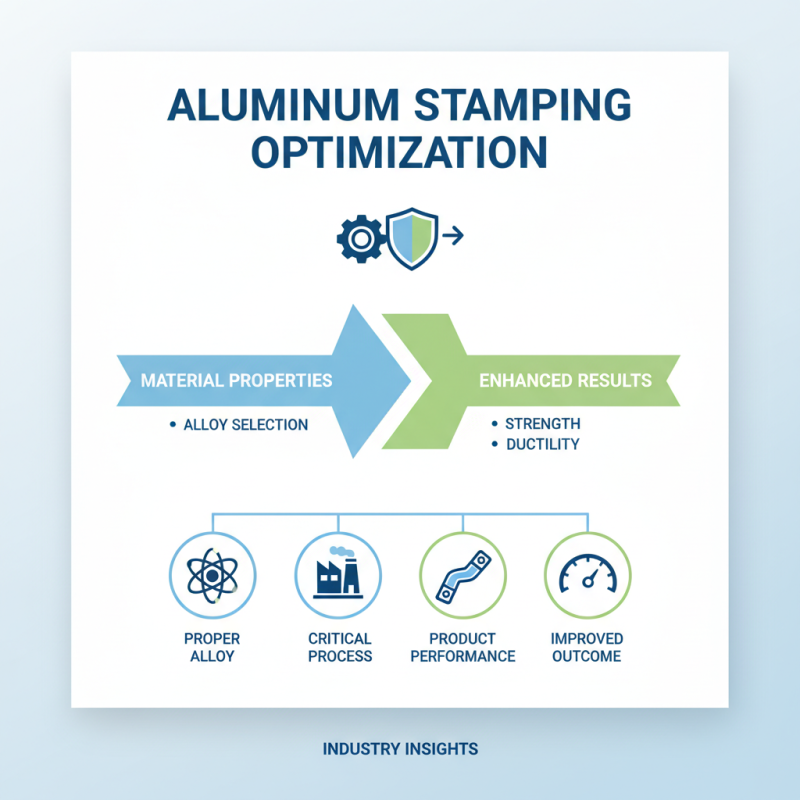
Aluminum stamping is a critical process in manufacturing. Optimizing material properties can significantly enhance the results. According to industry reports, proper alloy selection plays a vital role. Using the right aluminum alloy can improve strength and ductility. This specific choice impacts the final product's performance.
One effective technique is to pre-treat the aluminum. Treatments such as anodizing can improve surface hardness. This can reduce wear during the stamping process. It also improves the material's resistance to corrosion. Quality control should not be overlooked. Regular testing for mechanical properties ensures consistent output.
Adjusting stamping parameters is another key tip. Factors like speed, pressure, and temperature must be fine-tuned. Misalignment can lead to defects and reduced yield. It’s important to reflect on past projects and learn from mistakes made. Continuous improvement in these areas can lead to better efficiency and product quality. Industry standards recommend revisiting material properties periodically to stay competitive.
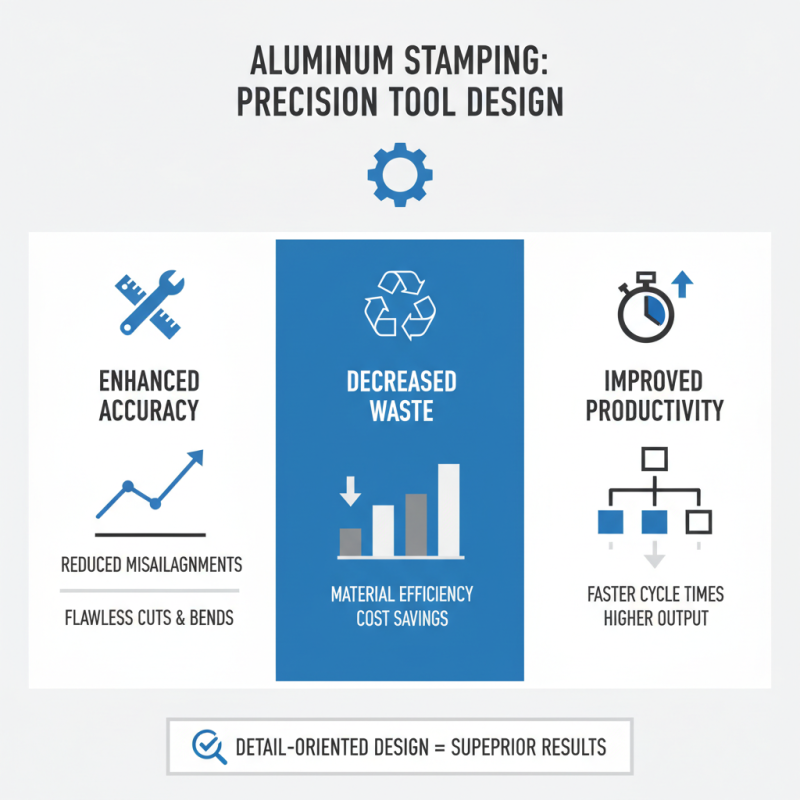
Mastering tool design is crucial for achieving precision in aluminum stamping. The right tool can enhance accuracy, reduce waste, and improve overall productivity. A well-designed tool ensures that every cut and bend is done with care. Small misalignments can lead to significant issues in the final product. Therefore, focusing on the details during the design phase is imperative.
When designing tools, consider the tolerance levels. Tighter tolerances usually yield better results but can be challenging to achieve. Testing tools before full production is vital. It helps identify design flaws early on. This could save time and costs in the long run. Additionally, regular feedback loops between design and manufacturing teams can foster continuous improvements.
Incorporating user input into tool design can also bolster effectiveness. Engineers should engage with operators to understand practical challenges faced during stamping. Their insights often reveal areas that need refinement. Remaining adaptable is key. Not every design will be flawless, and learning from mistakes is part of the process. Finding a balance between innovation and practicality can lead to better outcomes.
In aluminum stamping, quality control is crucial for achieving precision parts. Ensuring the right measures are in place can significantly reduce waste and enhance productivity. A recent industry report states that implementing robust quality control can improve product yield by up to 30%.
One effective method is to conduct regular inspection checks. Frequent audits can help identify deviations early in the process. Using digital tools for data collection can streamline this task. A common tip is to maintain clear documentation of all inspection results. This ensures traceability and accountability in manufacturing.
Nevertheless, mistakes can happen even with strict protocols. Machine alignment issues or material defects may arise unexpectedly. Acknowledging these situations encourages a culture of continuous improvement. During quality checks, involving all team members fosters a sense of responsibility. This collaborative effort in quality assurance may reduce error rates by 15% in long-term studies.
| Tip | Description | Expected Outcome |
|---|---|---|
| 1. Material Selection | Choose the right aluminum alloy for your specific application to enhance strength and formability. | Improved product durability and performance. |
| 2. Die Maintenance | Regularly inspect and maintain stamping dies to ensure optimal operation and longevity. | Consistent production quality and reduced downtime. |
| 3. Process Optimization | Streamline the stamping process through analysis and adjustments to speed and force. | Increased efficiency and throughput. |
| 4. Proper Lubrication | Utilize suitable lubricants to minimize friction and wear during stamping. | Enhanced tool life and surface finish. |
| 5. Tooling Alignment | Ensure all tooling is correctly aligned to prevent misalignment and defects in products. | Greater accuracy in stamped components. |
| 6. Quality Control Checks | Implement regular quality inspections during the stamping process to identify issues early. | Reduction in scrap rates and quality issues. |
| 7. Employee Training | Train staff on best practices in stamping and machinery operation. | Enhanced workforce efficiency and safety. |
| 8. Equipment Upgrade | Invest in modern stamping equipment with the latest technology for improved performance. | Higher production rates and better product quality. |
| 9. Data Monitoring | Utilize data analytics to monitor stamping performance and identify trends. | Informed decision-making for process improvements. |
| 10. Collaboration with Suppliers | Work closely with materials suppliers to ensure the best material properties for your needs. | Optimized material quality and performance. |
You are using an outdated browser. Things may not appear as intended. We recommend updating your browser to the latest version.
Close