Top 10 CNC Accessories You Can't Live Without?
CNC Accessories play a vital role in maximizing the efficiency of your CNC machine. Whether you are a hobbyist or a professional, the right tools can make a significant difference. A well-chosen accessory can enhance precision and ease of use. However, many users overlook essential items during their setup.
Imagine trying to complete a project without the proper tooling. It can lead to wasted time and materials. Some find themselves struggling with inadequate fixtures or poor-quality end mills. Without quality CNC Accessories, the learning curve can feel steep and frustrating. Investing in the right tools ensures you don’t have to reinvent the wheel.
Many CNC enthusiasts often question which accessories are truly indispensable. This list aims to highlight ten must-have items that can make or break your CNC experience. These accessories not only improve performance but also increase your confidence in handling complex projects. Don't let a lack of the right tools hold you back. Embrace the journey of CNC machining by equipping yourself with the best accessories available.
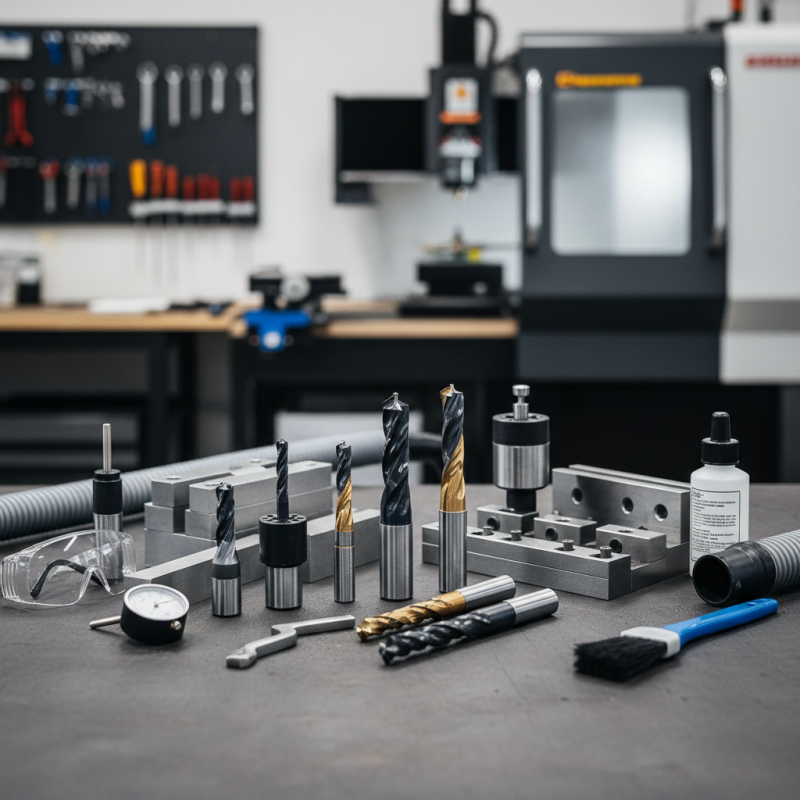
Essential CNC Accessories for Enhanced Precision and Efficiency
CNC machining is incredibly precise. But precision often hinges on the right accessories. According to industry reports, nearly 30% of all CNC errors stem from inadequate tooling and accessories. This underscores the importance of selecting quality gear.
Tool holders are essential. They enhance tool stability and reduce vibrations. This increased stability can lead to improved surface finishes. Research indicates that using high-quality holders can minimize tool wear by up to 50%. Failing to invest in these can lead to unnecessary rework and downtime.
Another critical accessory is the coolant system. Effective temperature control can extend tool life significantly. A study revealed that proper coolant application can boost machining efficiency by over 20%. Meanwhile, many shops overlook maintenance of their coolant systems, which can lead to inconsistent results. Prioritizing these accessories is not just about efficiency; it’s about setting the stage for precision and quality in every project.
Top 10 CNC Accessories You Can't Live Without
Key Features of High-Quality CNC Tool Holders
When it comes to CNC machining, quality tool holders are essential. They securely grip tools, ensuring accuracy and efficiency. A good tool holder can boost your production rates significantly. Look for holders made from durable materials. This enhances their longevity and performance. Pay attention to the fit; a snug fit prevents vibrations that can negatively affect machining.
Another critical feature is taper precision. A well-designed taper maintains tool alignment. Poor taper can lead to inconsistencies in your projects. Consider the tool holder's cooling capabilities, too. Adequate cooling systems prevent overheating, ensuring your tools and machines run smoothly. If your tools wear out too quickly, it might be time to invest in better holders.
Lastly, be mindful of the weight. Heavier holders might provide stability, but they can slow down tool changes. Striking a balance between weight and usability is key. Evaluate your workflow and see what works best. High-quality CNC tool holders are often the unsung heroes of successful machining. Investing in the right accessories can lead to better results, regardless of the machine.
Importance of CNC Workholding Solutions in Machining
Workholding solutions are critical for efficient CNC machining. They secure workpieces, ensuring precision and stability during production. A reliable setup minimizes movement, which can cause defects. If a part shifts, even slightly, the entire operation may need redoing. This emphasizes the importance of choosing the right workholding device.
Effective workholding methods can vary widely. Clamps, vises, and fixtures all have unique advantages. A simple clamp may suit small parts, while a complex fixture could be more suitable for larger components. The choice depends on the job, and this can lead to trial and error. Sometimes, the initial setup might not be ideal. It’s essential to reflect on past mistakes and learn from them. Understanding the specific requirements of each project helps in selecting a better solution for future tasks.
Quality workholding is more than just functionality; it improves efficiency and output. Poor choices can lead to wasted materials and time. Experimenting with different setups may reveal better options. Sometimes, what you thought worked best ends up causing headaches later. Being open to change can pave the way for innovation in machining practices.
Selecting the Right CNC Cutting Tools for Your Projects
Choosing the right CNC cutting tools is essential for successful projects. Each material you work with demands specific tools. For metal, high-speed steel tools are common. They withstand heat and wear, but they might not be the best for every job. Carbide tools can be a better choice for stubborn materials. Still, they require careful handling due to their brittleness.
When working with wood, you need different blades. A sharp, smooth finish is crucial. Dull blades can lead to tear-out and splintering. You may start with a 1/4 inch upcut bit for shaping projects. Learning how these tools interact with your material is key. Mistakes happen, and understanding them can improve your skill.
Your CNC machine will engrave differently based on the tool you choose. Test cuts can help fine-tune your setup. Planning for your project means knowing if your tools fit your goals. Tools break or dull, and recognizing this can save time in the long run. Adapting to each scenario will make your work more precise.
Benefits of Upgrading Your CNC Machine with Advanced Software Tools
Upgrading your CNC machine with advanced software tools can significantly enhance your productivity. These tools offer improved precision and efficiency. Cutting-edge software often includes features like optimization algorithms and 3D modeling. This can lead to better material utilization. Plus, it often reduces waste during the production process. Real-time analytics also help you make informed decisions.
Many operators face a learning curve when integrating new software. This can initially slow down operations. However, the long-term benefits outweigh this short-term challenge. Enhanced software can automate complex tasks. As a result, workers can focus on more creative aspects of their projects. The ability to customize settings can help create unique products. There is room for improvement in how teams adapt to these changes, but the rewards are substantial.