10 Essential Tips for Mastering the Investment Casting Process?
The investment casting process is a critical method in manufacturing. According to a recent report by Grand View Research, the global investment casting market is projected to reach USD 23.4 billion by 2027. This method offers precision and versatility, making it advantageous for various industries, including aerospace and automotive.
However, mastering the investment casting process is not without its challenges. Many manufacturers face issues with mold design and material selection. A study by Research and Markets indicates that 60% of manufacturers experience setbacks due to inefficient processes. These obstacles can lead to increased costs and production delays, complicating the path to successful implementation.
To thrive in this competitive landscape, understanding the nuances of the investment casting process is vital. By adopting best practices and aspires improvements, manufacturers can enhance efficiency and reduce waste. Embracing innovation and continuous learning is key to overcoming these hurdles.
Understanding the Basics of Investment Casting: A Comprehensive Overview
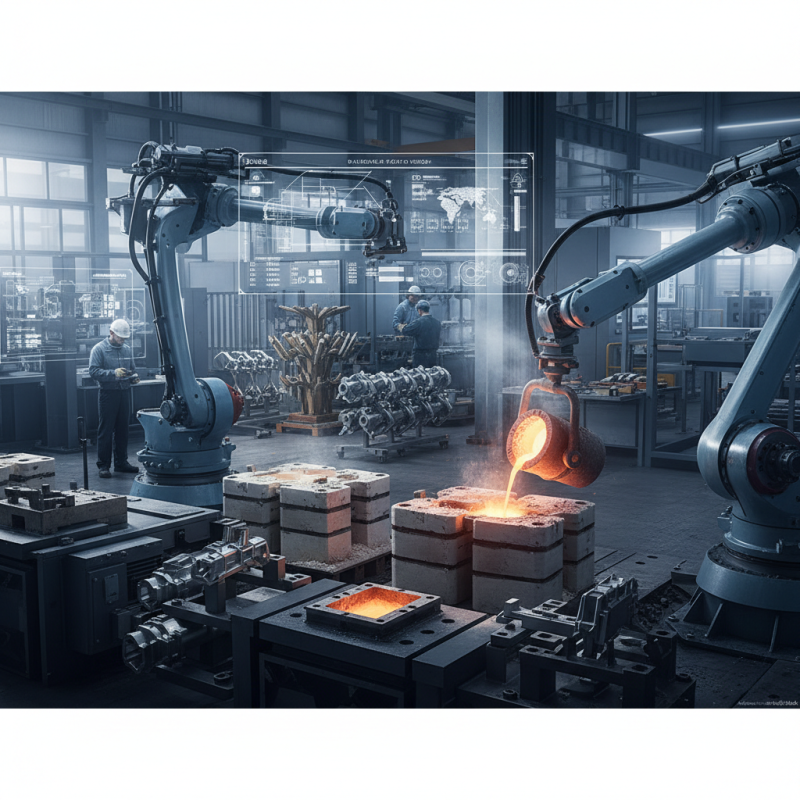
Investment casting is a complex manufacturing process that allows for precise metal parts. It has applications in aerospace, automotive, and medical industries. Understanding its basics is crucial for anyone looking to utilize this technique effectively. According to a recent industry report, the investment casting market is projected to reach $25 billion by 2025, highlighting the importance of mastering this process.
This method begins with creating a pattern, typically made from wax or another material, which is then coated with a ceramic shell. Once the shell hardens, the pattern is melted away, leaving a cavity for molten metal. This process can produce intricate shapes and tight tolerances, often reducing the need for machining. However, inconsistencies can arise due to temperature fluctuations or material defects.
Investors should be aware of the learning curve involved in this process. Each step must be executed with precision. Errors can lead to costly reworks. Statistical data suggests that around 10% of castings may fail to meet quality standards in initial production runs. Continuous monitoring and adjustment become essential for improvement. Finding the right balance between efficiency and quality remains a challenge in mastering investment casting.
10 Essential Tips for Mastering the Investment Casting Process
| Tip Number |
Tip Description |
Importance |
Implementation |
| 1 |
Understand the basics of investment casting. |
High |
Study casting process fundamentals. |
| 2 |
Choose the right material for your project. |
High |
Evaluate material properties and match with requirements. |
| 3 |
Design with attention to detail and tolerances. |
Medium |
Use CAD software to refine designs. |
| 4 |
Control the wax pattern dimensions. |
High |
Regularly check pattern sizes during production. |
| 5 |
Utilize proper melting techniques. |
High |
Train staff on optimal melting practices. |
| 6 |
Ensure precise pouring practices. |
Medium |
Implement strict pouring protocols. |
| 7 |
Select appropriate post-casting processes. |
Medium |
Evaluate finishing options based on end-use. |
| 8 |
Monitor the cooling process carefully. |
High |
Use temperature control systems. |
| 9 |
Conduct thorough inspections. |
High |
Implement a quality control checklist. |
| 10 |
Continuously improve your processes. |
Medium |
Encourage feedback and refine operations. |
Key Materials Used in the Investment Casting Process and Their Properties
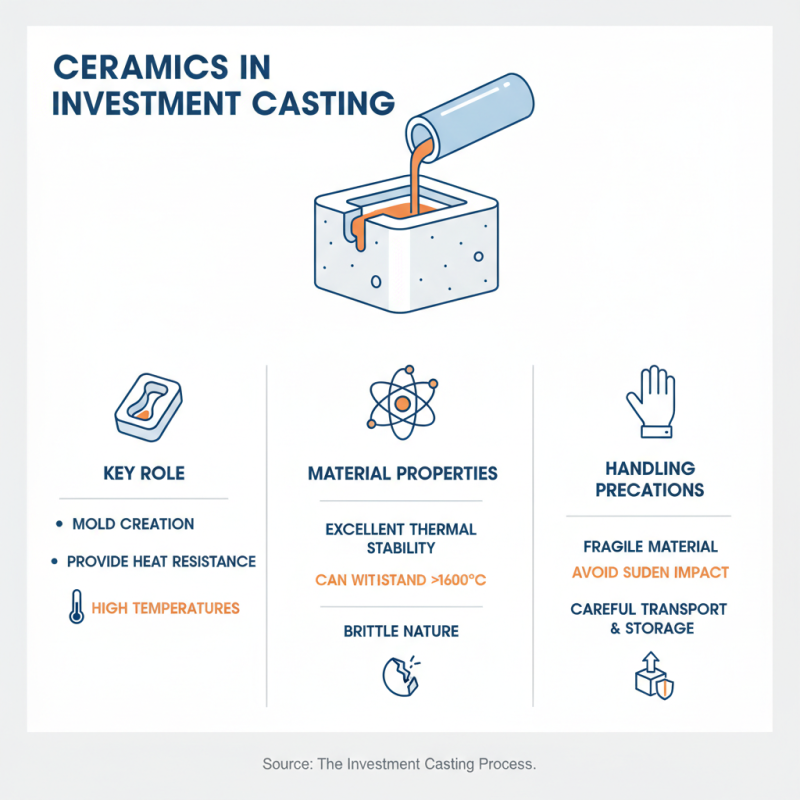
The investment casting process relies heavily on key materials. Ceramics are crucial for creating the mold. They provide excellent heat resistance and can withstand high temperatures during melting. However, they can be brittle. Care must be taken when handling them to avoid breakage.
Metals also play a significant role. Common choices include aluminum and stainless steel. Aluminum is lightweight and offers great corrosion resistance. Stainless steel, on the other hand, is strong and durable. Each material has unique properties. Selecting the right one is vital for the final product.
Mastering the investment casting process involves learning from mistakes. For example, ensure the right temperature when pouring. Too hot may damage the mold. Too cool might result in defects. Regularly check your material properties too. This can save time and resources in the long run. Keep experimenting and refining your techniques. Every casting tells a story, but it’s up to you to learn from each one.
Step-by-Step Guide to Creating Investment Casting Patterns and Molds
Creating investment casting patterns and molds is a meticulous process. Begin with selecting a suitable pattern material. Common choices include wax or polymer. Each material has its own properties. Wax patterns melt away easily, while polymers can be more durable. Choose based on the desired outcome.
Next, carefully design your pattern. Precision is crucial. Even minor flaws can result in defects in the final casting. Consider the shrinkage factor of the material used. Over time, patterns can warp. Monitor this during the process. After preparation, create the mold. Use a high-quality ceramic shell. This will provide the stability needed during casting.
Once the mold is set, it’s time for pouring. Pouring temperature requires attention. Too hot, and you risk damaging the mold. Too cool, and the material may not fill all details. Be prepared for trial and error. Each attempt offers a learning opportunity. Mistakes can guide adjustments in the next cycle. Stay patient and vigilant throughout the process for the best results.
Common Challenges in Investment Casting and How to Overcome Them
Investment casting can be a complex process with several challenges. One common issue is the creation of defects like porosity and dimensional inaccuracies. Proper control of the melting and cooling processes is critical. Monitor your temperatures closely to avoid unwanted air pockets. Using the right alloy can also minimize defects.
Another challenge is mold creation. The precision of your mold determines the final product quality. Pay attention to details while designing molds. Consider using a silica-based slurry for better mold strength. It's also important to ensure your mold is free from contaminants to avoid surface imperfections.
Effective planning is key to overcoming these hurdles. Conduct thorough research before starting the project. This includes understanding material properties, casting techniques, and potential challenges. Engage in continuous learning and refine your methods. With practice, many mistakes can be avoided. Regularly review and reflect on your processes, allowing for improvement and growth in investment casting.
Common Challenges in Investment Casting and How to Overcome Them
Quality Control Measures for Ensuring Success in Investment Casting
Quality control is crucial in the investment casting process. It ensures that the final product meets required specifications and standards. According to recent industry reports, defects in investment casting can lead to costly recalls and significant financial losses. Implementing effective quality control measures can mitigate these risks.
One essential tip is to perform thorough inspections at each stage. This includes evaluating the mold, the metal used, and the finished part. Regular checks help identify issues early. For instance, a study revealed that early detection of mold defects can reduce rework by up to 30%.
Another tip focuses on the use of technology. Advanced techniques, like 3D scanning, help capture precise measurements. This minimizes surprises later in the process. Investing in training for staff can also yield great results. Skilled workers are less likely to make errors, ensuring higher quality outputs.
However, some companies overlook the importance of documentation. Without proper records, tracking defects becomes difficult. Regular audits can highlight gaps in processes. Reflecting on these areas can lead to improvements and better control measures.