Unlocking the Future of Prototype Machine Shops in 2026?
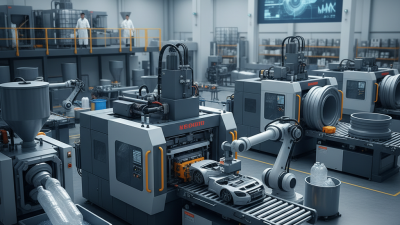
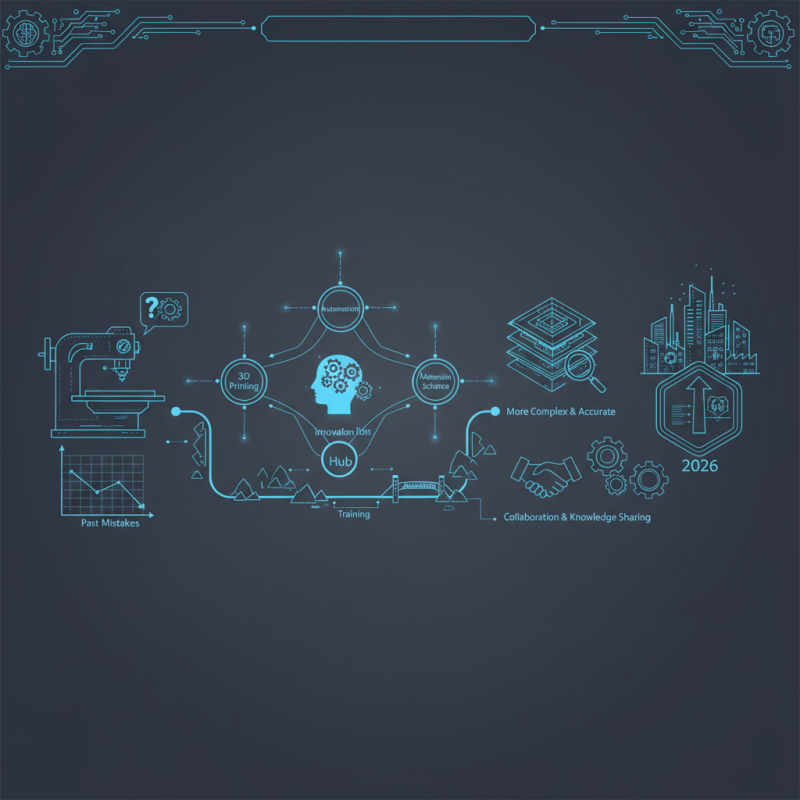
The landscape of prototype machine shops is evolving rapidly. By 2026, advancements in technology will redefine how these shops operate. Innovations in automation, 3D printing, and materials science are at the forefront of this revolution. Designers and engineers will rely on prototype machine shops to create more complex and accurate prototypes.
Yet, challenges remain. Many machine shops struggle to adopt new technologies effectively. Training skilled workers is a pressing concern. These shops must navigate the balance between cutting-edge techniques and practical application. The future may not be perfect; reflection on past mistakes is essential. Learning from the shortcomings of previous strategies will pave the way for better practices.
Collaboration among industry leaders will be crucial. Knowledge sharing can enhance the capabilities of prototype machine shops. By fostering an environment of innovation, these shops can thrive in a competitive market. The future is promising, but it requires dedication and adaptability.
The Evolution of Prototype Machine Shops: A Historical Overview
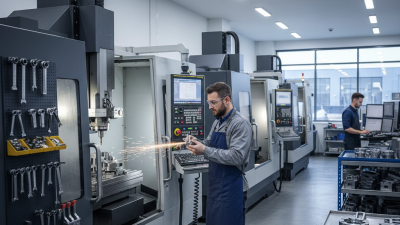
The evolution of prototype machine shops has been remarkable over the years. In the 1960s, these shops were rudimentary, relying heavily on manual labor. Craftsmen used basic tools to create prototypes. The process was slow, often leading to inefficiencies. As technology advanced, so did the capabilities of these shops. CNC machines emerged, allowing for precision and speed. The adoption of computer-aided design (CAD) revolutionized the way prototypes were developed.
Fast forward to today. Modern prototype machine shops utilize advanced technologies like 3D printing and automation. These innovations can produce complex designs faster than ever before. However, challenges remain. Ensuring quality control in rapid manufacturing is a constant hurdle. Additionally, some workers fear job displacement due to automation. Balancing technology with human craftsmanship is crucial.
In 2026, the future of prototype machine shops will likely feature even more sophisticated tools. Artificial intelligence may play a role in design and production. Yet, the human element cannot be overlooked. Skills and expertise will still be necessary in adapting to new technologies. Collaboration between man and machine may lead to the industry’s next great leap.
Unlocking the Future of Prototype Machine Shops in 2026
This chart illustrates the projected revenue growth of prototype machine shops from 2018 to 2026. It highlights the increasing importance and investment in prototype manufacturing, showcasing the trend towards innovation and efficiency in the industry.
Key Technologies Shaping Prototype Machine Shops in 2026
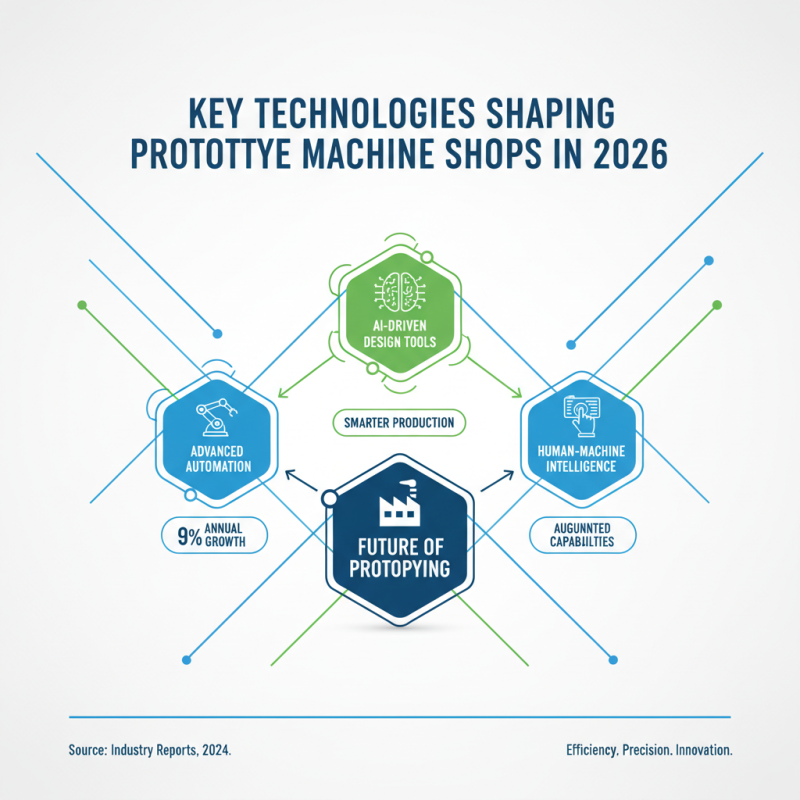
As we look toward 2026, the landscape of prototype machine shops is rapidly evolving. Key technologies, such as advanced automation and AI-driven design tools, are reshaping manufacturing processes. According to recent industry reports, the market for industrial automation is projected to grow by 9% annually, driven by the demand for efficiency and precision. This growth reflects a shift towards smarter, more responsive production environments where human capabilities are augmented by machine intelligence.
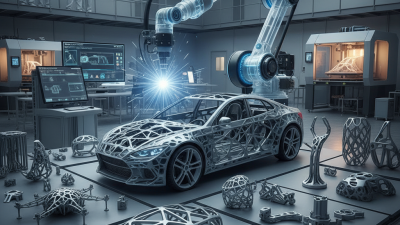
The adoption of additive manufacturing technologies, particularly 3D printing, plays a crucial role in this transformation. An estimated 55% of companies are integrating 3D printing for rapid prototyping. This approach significantly reduces material waste and time, enabling faster iteration cycles. However, the challenge lies in ensuring quality and consistency in printed prototypes, a concern that many shops are still grappling with.
Tips: To stay competitive, machine shops should invest in staff training programs focused on these emerging technologies. Encourage teams to experiment with new tools, even if initial results are imperfect. Continuous learning is key. Simplifying the integration of AI can also optimize workflows, but careful evaluation is necessary. Balancing tradition with innovation will be critical as we move forward into this new era.
Industry Trends Influencing the Future of Prototype Production
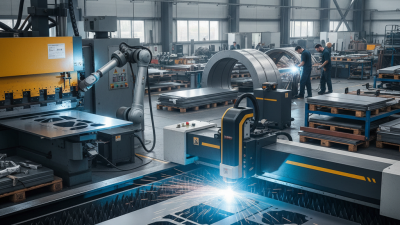
The landscape of prototype production is changing rapidly as we approach 2026. Advances in technology are reshaping how machine shops operate. One significant trend is the integration of automation in prototyping processes. This shift allows for quicker turnaround times. However, reliance on automation may also overlook important human intuition in design.
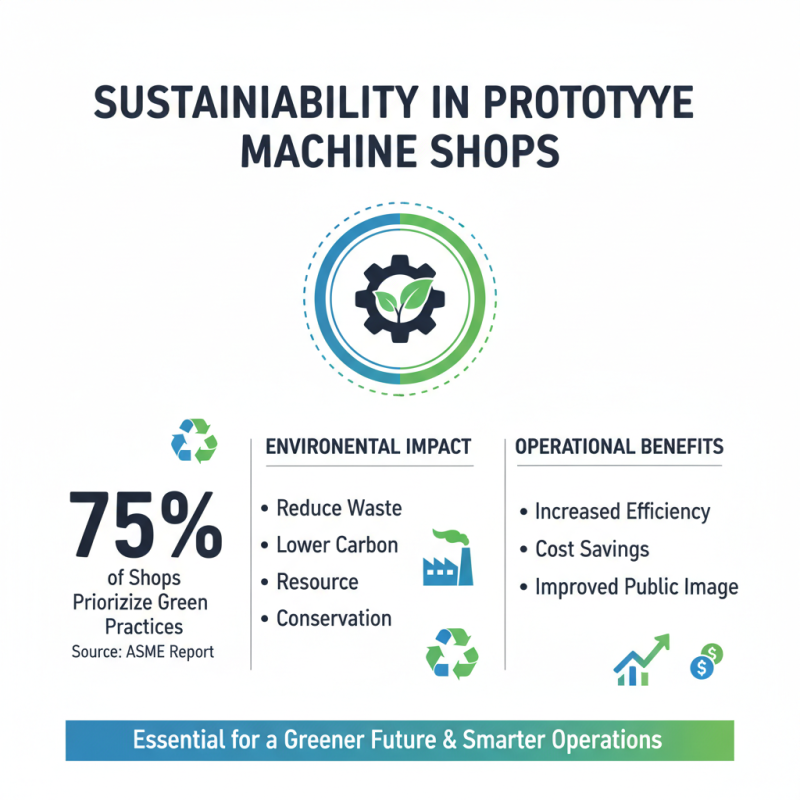
Sustainability is another critical factor influencing the future. There is a growing demand for environmentally friendly materials and practices. This creates a challenge for machine shops to adapt without compromising quality. Many shops are experimenting with alternative materials. Yet, the transition can be slow and costly, leading to tensions in production schedules.
The rise of remote collaboration tools is also noteworthy. These tools enhance communication between design and production teams. However, misunderstandings can still occur. Misalignment on project goals may lead to errors in prototypes. As the industry evolves, embracing these complexities while striving for perfection will be essential.
The Role of Automation and AI in Enhancing Shop Efficiency
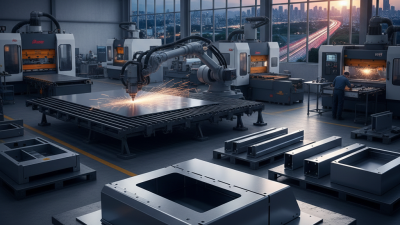
As we look towards 2026, the landscape of prototype machine shops is set to transform significantly. Automation and AI are no longer distant dreams; they have become accessible tools that drive shop efficiency. Imagine a CNC machine working seamlessly alongside AI algorithms that anticipate production needs. This combination can reduce downtime and enhance productivity.
However, the integration of these technologies is not without challenges. Many shops face difficulties in training staff to adapt to new systems. Moreover, the costs of implementation can be daunting for smaller shops. As AI learns from data, it may also raise questions about decision-making processes. Will human oversight remain essential, or will AI's autonomy overshadow traditional practices? These questions demand careful thought from industry leaders.
The increased efficiency promised by automation can lead to reduced labor needs. This may create a dilemma for workers who feel uncertain about their job security. Balancing innovation with human-centric approaches will be crucial. Adopting new technologies must include strategies to support displaced workers. Ultimately, the road to a fully automated future requires not just technological advancement but also a commitment to human rights and workforce development.