The injection molding process is a crucial manufacturing method widely used in the production of plastic parts. In 2023, the global injection molding market reached approximately $310 billion, reflecting its significance in various industries such as automotive, consumer goods, and electronics. This process allows for high precision and efficiency, producing complex shapes at a fast pace.
However, the injection molding process is not without challenges. Material selection and tooling costs remain major concerns. A recent study indicated that tooling can take up to 30% of the total project budget. Additionally, maintaining quality control during mass production is essential, as even minor defects can lead to significant losses.
Companies often overlook the importance of process optimization. Inadequate training or poor communication can create inefficiencies. Diversifying material options may lead to better sustainability but can complicate the process. Understanding the injection molding process requires a balance between innovation and careful planning.
Injection molding is a crucial manufacturing process. It creates a wide variety of plastic products. This method is significant due to its efficiency and ability to replicate complex shapes. The process involves injecting molten plastic into a mold. Once cooled, the plastic hardens into the desired form.
The importance of injection molding lies in its versatility. From toys to automotive parts, its applications are vast. The precision it offers helps reduce waste. However, it’s not without challenges. Molds can be expensive to create. If not designed well, they may lead to defects.
Understanding the significance of injection molding is essential for industries. It streamlines production and meets consumer demands. Yet, it requires careful planning and execution. Sometimes, even minor errors can lead to significant costs. A small mistake in the mold design could ruin a whole batch. Reflection on these aspects can lead to better practices and outcomes.
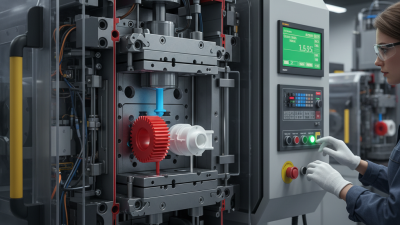
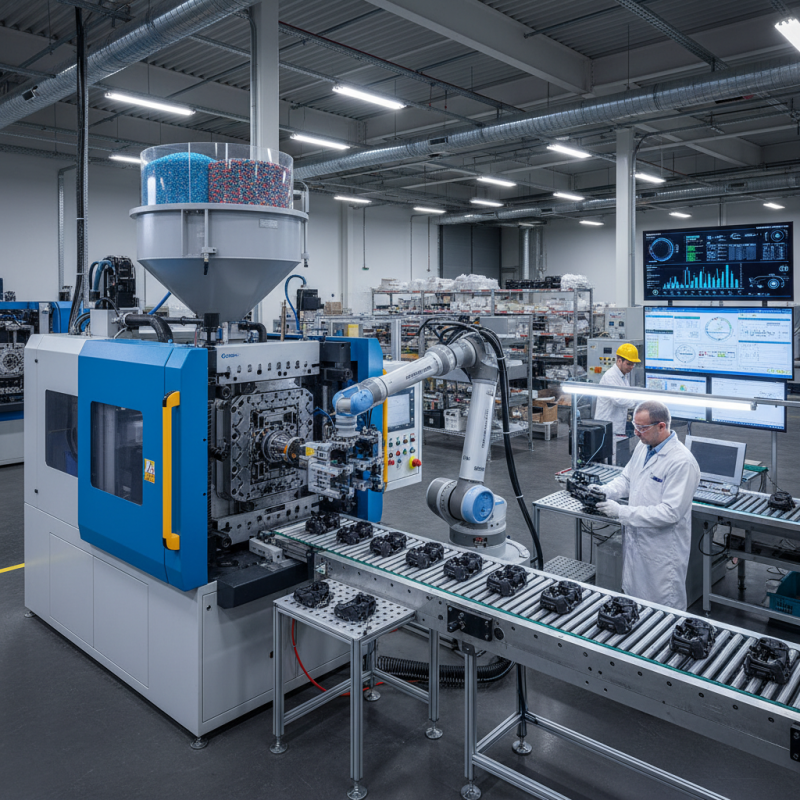
The injection molding machine consists of several key components, each playing a vital role. The hopper is where raw plastic pellets are stored. It feeds the pellets into the machine. A screw rotates to mix and heat the pellets, turning them into a molten state. This step is crucial for uniformity.
The next component is the injection unit. It injects the molten plastic into a mold. The mold shapes the plastic into the final product. Molds can be complex, allowing for intricate designs. However, achieving the perfect mold can be difficult. Small errors can lead to defects in the final product.
The cooling system is also important. Once the molten plastic fills the mold, it must cool down to solidify. Cooling time can impact production speed. A balance is needed between speed and quality. It's a constant challenge for manufacturers to optimize this process. Each component must work together seamlessly for good results. Only then can the full potential of injection molding be realized.
The chart above illustrates the time required for each key step in the injection molding process. The data indicates that cooling takes the longest, showcasing its significance in ensuring product quality.
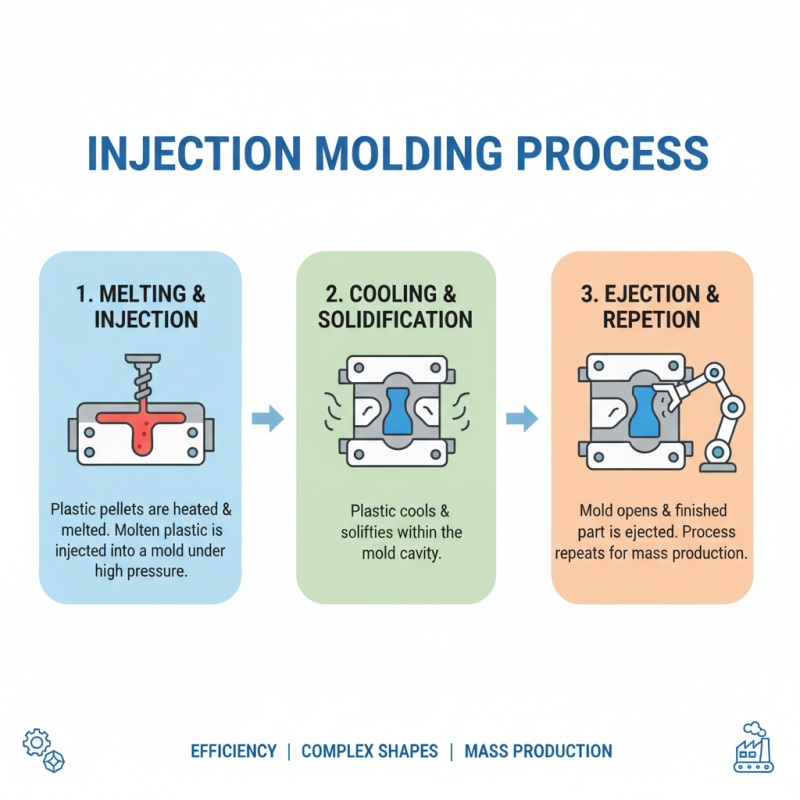
The injection molding process is a popular manufacturing technique used to create plastic parts. It begins with melting plastic pellets in a heated barrel. The molten plastic is then injected into a mold at high pressure. This initial step is crucial. If the temperature is too low, the plastic may not fill the mold properly.
Once injected, the plastic cools and solidifies. Cooling often takes longer than expected. After a set time, the mold opens, and the new part is ejected. There can be challenges here. Sometimes, parts may stick to the mold. This can affect the quality and shape of the final product.
It's essential to inspect each piece meticulously. Tiny defects might go unnoticed but can lead to larger issues. Adjustments must be made to ensure precision. The process requires frequent monitoring. Each cycle can vary due to temperature changes or material differences. This unpredictability is a key aspect to consider. Proper planning and execution can mitigate many common problems.
| Step | Description | Materials Used | Typical Applications |
|---|---|---|---|
| 1 | Material is fed into the injection molding machine. | Thermoplastics, thermosetting plastics | Consumer goods, automotive parts |
| 2 | Material is heated and melted in a barrel. | N/A | N/A |
| 3 | Melted plastic is injected into the mold. | N/A | N/A |
| 4 | Plastic cools and solidifies in the mold. | N/A | N/A |
| 5 | Mold opens and part is ejected. | N/A | Final product ready for finishing and assembly |
Injection molding relies on various materials, each impacting the final product's characteristics. Commonly used materials include thermoplastics, thermosets, and elastomers. Thermoplastics can be remolded and recycled. They offer flexibility and strong impact resistance. Popular thermoplastics like ABS and polycarbonate cater to diverse applications.
Thermosetting plastics, on the other hand, solidify permanently after heating. They provide excellent chemical resistance and durability but cannot be remolded. These properties make them ideal for electrical components like circuit boards. Elastomers are flexible and stretchable. They excel in producing rubberized products like seals and gaskets.
When choosing materials, it's crucial to consider the end use. Some materials may not perform well under high temperatures. Others might be too brittle for certain applications. Making the right choice requires careful analysis of the project requirements. This ensures optimal performance while avoiding costly errors.
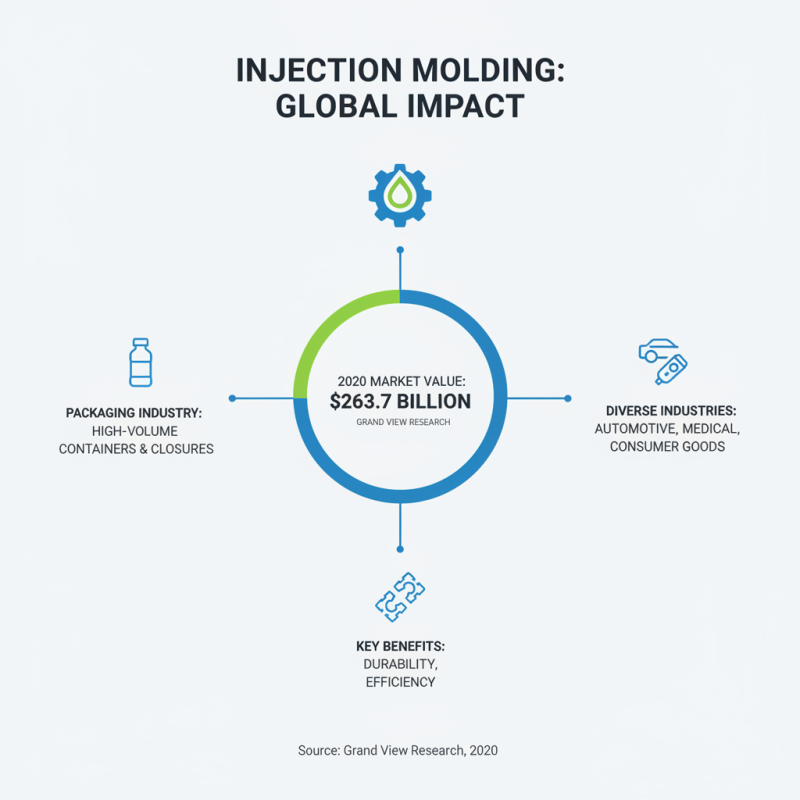
Injection molding plays a significant role across various industries. This method produces durable plastic parts with precision. According to a report by Grand View Research, the global injection molding market was valued at $263.7 billion in 2020. The packaging industry is a major user. This sector requires high-volume production and accuracy for containers and closures.
Automotive manufacturing is another critical application. Injection molding helps create components like dashboards and handles. The lightweight materials used decrease overall vehicle weight. This contributes to fuel efficiency, meeting consumer demands for sustainable solutions. However, achieving consistency can be challenging. Variations in temperature or pressure often lead to defects in parts.
Consumer electronics also benefit from this technology. Tiny components such as casings and switches are produced rapidly. A report from Market Research Future states that the electronics sector will experience significant growth in injection molding. Yet, the need for constant innovation highlights an area for improvement. Recycling plastic waste from this process remains a significant concern that needs addressing.
You are using an outdated browser. Things may not appear as intended. We recommend updating your browser to the latest version.
Close