Top 5 Investment Casting Tips for Global Buyers to Consider
Investment casting stands as a critical process in manufacturing, offering precision and quality. Industry expert Dr. Emily Carter, a recognized authority in investment casting, states, “Understanding the nuances of investment casting can dramatically improve product quality and reduce costs.” Her insights emphasize the need for global buyers to navigate this complex domain wisely.
The investment casting process allows for intricate designs and superior surface finishes. Yet, many buyers still overlook key factors that can impact their investments. Selecting the right foundry partner is essential. Not every foundry adheres to the same quality standards. It's important to engage with suppliers that have proven reliability and expertise.
Focusing on material selection is another pivotal aspect. Different alloys and formulations can lead to varying results. This decision can determine the functional success of your components. Buyers must research and reflect deeply on their choices. The investment casting world is nuanced; a misstep can lead to costly repercussions. Careful consideration and informed decisions are vital for achieving optimal outcomes.

Understanding the Basics of Investment Casting for Global Buyers
Investment casting, also known as lost-wax casting, is a precise method for creating complex metal parts. It is widely used across various industries, including automotive and aerospace. Understanding the basics is crucial for global buyers. According to industry reports, the investment casting market size was valued at over $15 billion in 2022, with a projected CAGR of 6.5% over the next few years.
A key point to consider is the material specification. The choice of materials can significantly affect the quality and performance of the final product. Ensure you are familiar with different alloys and their properties. Proper research will aid in selecting the best fit for your needs.
Tip: Always ask for sample prototypes before large orders. It helps verify that the casting meets your standards. Additionally, examine the foundry’s quality control processes. This ensures that the production runs smoothly and meets expected specifications.
Be aware of geographical factors impacting manufacturing. Production costs can vary greatly based on location. Sourcing from countries with lower labor costs might seem appealing. However, consider the trade-offs, such as longer lead times and quality issues. These factors can ultimately affect your supply chain.
Investing time in understanding these basics will enhance your purchasing decisions in the investment casting process.
Evaluating Quality Standards and Certifications in Investment Casting
When evaluating quality standards in investment casting, buyers must consider several factors. Certifications can indicate a company's commitment to quality and safety. Look for certifications like ISO 9001, which demonstrates effective quality management systems. Companies with such certifications often maintain rigorous testing protocols.
Tip: Assess the company's track record. A supplier with a history of quality issues may not improve overnight. Past performance can reflect future reliability.
Also, consider material certifications. Ensure that suppliers provide certifications for the raw materials used in the casting process. This transparency safeguards against potential failures in the final product.
Tip: Don’t hesitate to request sample work. This step is crucial for understanding how the company manages quality. A well-executed sample can provide insights into the supplier's capabilities.
It's important to engage with potential suppliers. Communicate openly about quality expectations and compliance requirements. Misunderstandings can arise if both parties are not aligned. Quality assurance is a multifaceted process, and diligence in choosing the right supplier can save time and money in the long run.
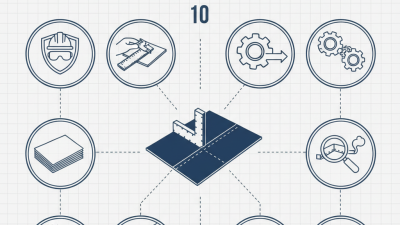
Top 5 Investment Casting Quality Standards
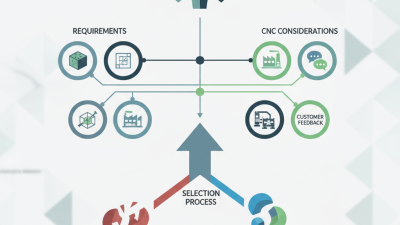
Key Factors in Selecting the Right Investment Casting Supplier
Choosing the right investment casting supplier is crucial for global buyers. It involves evaluating critical factors that can affect manufacturing outcomes. Start by assessing the supplier's experience in the industry. Look for a provider with a history of successful projects and satisfied clients. A supplier's track record often reflects their proficiency and reliability.
Communication is another vital consideration. Effective dialogue can prevent misunderstandings and delays. Are they responsive? Do they explain processes clearly? Good communication indicates a reliable partnership. Additionally, examine their technology and capabilities. Advanced equipment and techniques can significantly enhance product quality and precision. Don't hesitate to ask for samples or case studies.
Lastly, consider sustainability practices. A supplier committed to eco-friendly methods not only contributes positively to the environment but can also align with your brand values. It’s important to ask how they ensure quality control and compliance with industry standards. Choosing a supplier is not always perfect; each decision may require you to reflect on trade-offs between cost, quality, and service.
Top 5 Investment Casting Tips for Global Buyers to Consider - Key Factors in Selecting the Right Investment Casting Supplier
| Criteria |
Key Considerations |
Importance Level |
| Supplier Experience |
Years in business, industry specialization |
High |
| Quality Standards |
Certifications (ISO, ASTM), inspection processes |
Critical |
| Production Capabilities |
Capacity, technology used, customization options |
Medium |
| Lead Time |
Timeframe from order to delivery |
High |
| Cost-Effectiveness |
Pricing structure, value for quality |
Medium |
Cost Considerations: Balancing Price and Quality in Investment Casting
When considering investment casting, cost plays a crucial role. Buyers often face the challenge of balancing price with quality. A lower price may seem attractive initially, but it can lead to long-term repercussions. Poor quality castings can result in costly reworks, delays, and potential loss of business. Finding a reliable supplier is essential. Customers need to evaluate the overall value rather than just the price tag.
Evaluating quality often requires a detailed inspection of production methods and materials used. Buyers should request samples and conduct thorough testing to ensure specifications are met. Investing time in supplier assessment can prevent future headaches. Transparent communication with potential suppliers is crucial. Discuss expectations clearly to avoid misunderstandings that may arise.
Understanding the total cost of ownership can be enlightening. Logistics, lead times, and post-processing all contribute to the final expense. A cheap quote may overlook critical factors that’ll affect your bottom line. Engaging experts in the field can provide insights that help buyers make more informed decisions. Balancing cost and quality isn't just about numbers; it's about partnership and trust.
Navigating International Shipping and Logistics for Investment Castings
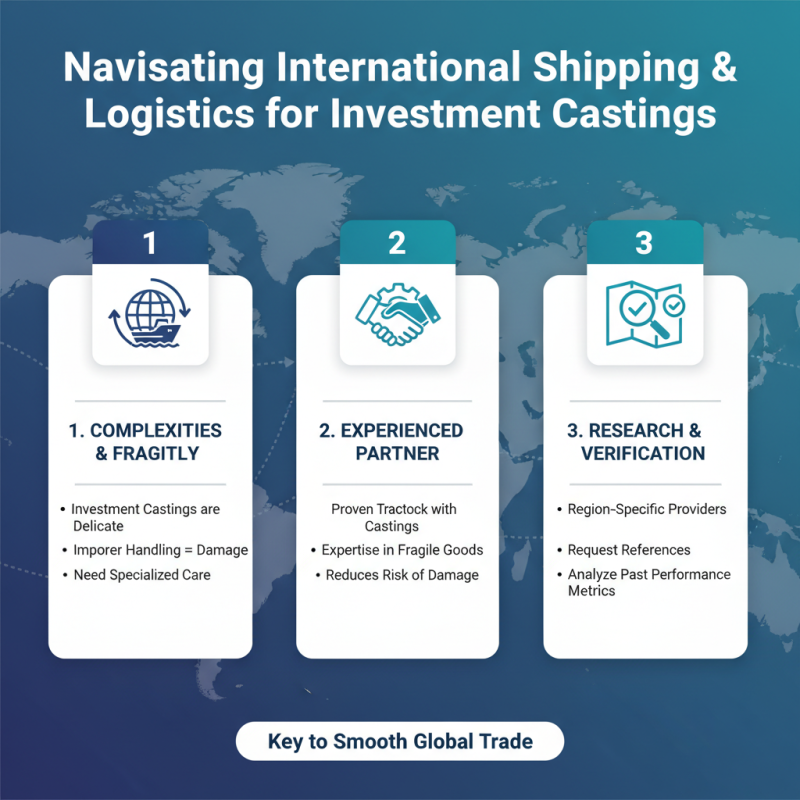
When navigating international shipping and logistics for investment castings, understand the complexities involved. First, ensure that your shipping partner has experience with castings. Investment castings can be fragile, and improper handling may lead to damages. Choose logistics providers with a proven track record in your specific region. It is essential to ask for references and past performance metrics.
Consider the various shipping options available. Air freight is faster but often more expensive than sea freight. However, the added cost may be worthwhile for urgent projects. Estimate the lead time accurately. Delays can occur, particularly in customs clearance. Be proactive in monitoring shipments to avoid disruptions. Additionally, familiarize yourself with customs regulations in the destination country. Not all countries have the same requirements, and unexpected issues can arise.
Reflect on the importance of insurance. Shipping high-value investment castings poses inherent risks. Coverage is often underestimated but can save significant costs in case of damage. Consult with your logistics provider to evaluate appropriate insurance options. The logistics landscape is continually changing, so be aware of potential shifts in regulations or economic conditions that could impact your shipments. Always remain adaptable and prepared for unforeseen challenges.