Top Gel Packing Machine Manufacturers for Global Buyers

Choosing a reliable Gel Packing Machine manufacturer requires more than comparing prices and catalog photographs. Global buyers need equipment that matches product viscosity, package size, production speed, and local operating conditions. A machine that performs well in a showroom may behave differently with thick gel, changing temperatures, or inconsistent material flow.

This guide examines leading manufacturers through practical purchasing criteria. These include filling accuracy, sealing strength, machine construction, cleaning access, control systems, and after-sales support. Stainless steel contact parts can simplify sanitation and maintenance. Servo-driven filling systems may improve repeatability, while clear PLC interfaces help operators adjust settings safely. Factory testing, sample production, and documented inspection records also reveal a supplier’s real capabilities. Details matter. Proof matters.

Experience is especially valuable when manufacturers support different packaging films, sachet formats, and export requirements. Reliable suppliers should explain limits honestly, provide installation guidance, and offer replacement parts without unnecessary delays. Buyer references, video demonstrations, and technical drawings can support a more informed decision. Still, no manufacturer is perfect. Some suppliers present impressive specifications but provide limited information about cleaning time, changeover work, or long-term service. That gap matters. Careful buyers should question unclear claims, test their own gel samples, and confirm performance before placing a large order. This overview aims to make that evaluation clearer, more practical, and better suited to international purchasing decisions.
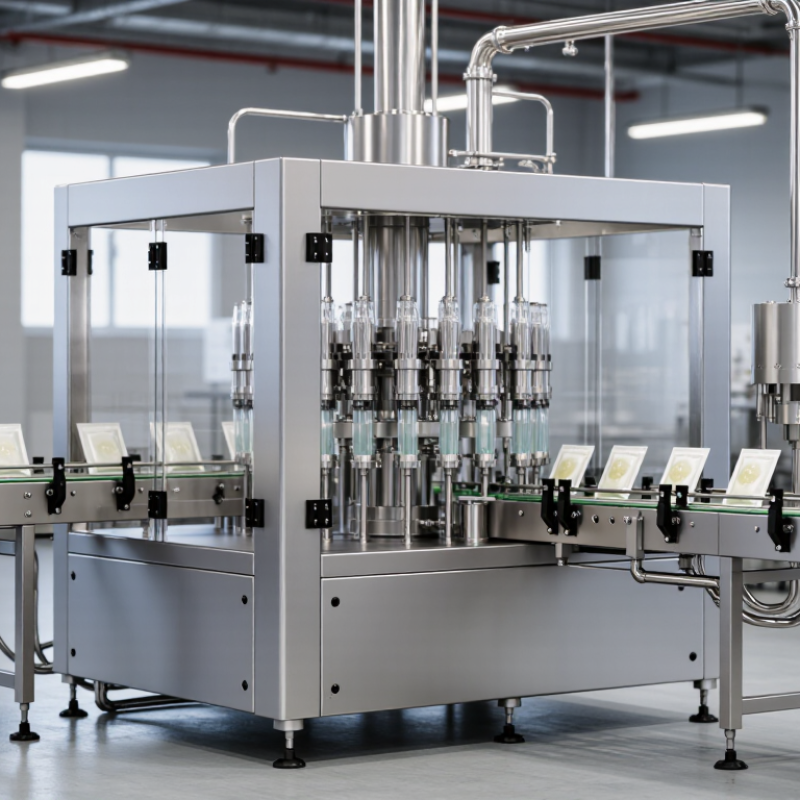
Top Gel Packing Machine Manufacturers for Global Buyers

What Is a Gel Packing Machine and How Does It Work?

A gel packing machine measures and fills a set amount of gel into containers such as tubes, jars, or sachets. Its main parts typically include a product hopper, a metering system, filling nozzles, and a conveyor or indexing platform. The exact setup depends on the gel’s thickness and the package shape.

Simple idea, careful control.

During operation, gel moves from the hopper through a pump or piston system to the nozzles. The machine dispenses a measured volume as each container reaches the filling position. Sensors may check container placement, while adjustable settings control fill volume and speed. Some systems also handle closing or sealing, but these functions are not universal.

Viscosity matters. A cool, thick gel may flow slowly, while a warmer batch may fill differently. Operators usually test a small run, inspect fill levels, and check for drips or trapped air before increasing production.

That step is easy to rush. It should not be. Cleaning and material compatibility also deserve attention, since residue can affect later batches. Even a well-designed machine needs settings matched to the product, container, and working conditions.

Key Features to Assess Before Choosing a Manufacturer

When comparing gel packing machine manufacturers, test the exact product, not just a brochure sample. A thin hand gel and a thick cosmetic gel behave differently at the nozzle. Ask for a factory trial using your formula, container, and target speed. Check fill-weight consistency across repeated runs, drip control, and how quickly operators can clean product-contact parts.

Small details matter. A sticky nozzle can waste product and slow a shift.

Assess whether the machine handles your gel’s viscosity range and container sizes without awkward adjustments. Review changeover time, spare-part availability, operator training, and remote support response times. Ask for documented test results and references from facilities running similar products.

Grand View Research estimated the global packaging machinery market at USD 45.5 billion in 2023, reflecting a broad investment in packaging equipment; that figure does not guarantee a gel filler will suit your line. Request evidence specific to your application. PMMI’s 2024 State of the Industry report also highlights ongoing workforce and operating challenges in packaging, making clear controls and maintainability practical selection criteria.

Still, reports cannot replace a hands-on trial.

One overlooked weakness: buyers sometimes compare quoted cycle speeds but skip sustained production testing. That can be costly.

Leading Gel Packing Machine Manufacturers for Global Buyers

Leading gel packing machine manufacturers serve buyers who need accurate dosing, sealed packs, and stable production at varied speeds. The wider packaging machinery market was valued at about US$45.6 billion in 2023, according to Fortune Business Insights, which forecasts continued growth through 2032. This figure covers many packaging applications, not gel equipment alone, so buyers should treat it as market context rather than a direct measure of gel-machine demand. For a factory filling thick hand gel, a useful trial checks dose consistency, nozzle drip, seal strength, and changeover time using the actual product.

Reliable manufacturers explain their machine’s limits as clearly as its output. Ask for test data across your expected gel viscosity range, plus details on pump type, contact-part materials, cleaning access, and spare-part lead times. A neat sample pack is not enough. One overlooked point is operator training; even a well-built filler can produce uneven packs when setup instructions are vague.

Tips: Request a factory acceptance test with your own gel and packaging film. Record fill-weight variation and sealing results over a sustained run, not just a few demonstration cycles. Ask whether the quoted speed reflects real production conditions, including routine stops and cleaning.

How to Compare Machine Quality, Capacity, and Automation

A gel packing machine should be judged by more than its advertised speed. Ask for a test using your actual gel, container, and target fill weight. Watch several cycles, not just one. Check whether the nozzle drips, whether seals look even, and whether filled packs stay within your accepted weight range. Small differences can become costly across a full shift.

Capacity figures need context. A machine rated for a certain number of packs per minute may run slower with thick gel or frequent changeovers. Compare the demonstrated output with your daily production needs. Also inspect product-contact surfaces, frame construction, and how easily operators can reach parts that need cleaning. Request material specifications and maintenance guidance in writing. A polished demonstration is useful, but it is not a substitute for records from routine operation.

Automation can reduce repetitive work, yet more features do not always mean better results. Compare filling controls, sensor response, fault alerts, and the time needed to switch pack sizes. Ask operators to run a changeover and clear a simulated blockage. Their feedback may reveal awkward controls or steps missing from the sales presentation. I would still allow time for tuning after installation; real production rarely behaves exactly like a showroom test.

Top Gel Packing Machine Manufacturers for Global Buyers - How to Compare Machine Quality, Capacity, and Automation

Compare machine formats and typical operating ranges rather than supplier names. Actual output and suitability depend on gel viscosity, package size, film or container material, filling system, and operating conditions. Confirm performance with a product-specific trial.

Machine format Common package Typical output range* Filling approach Automation level Quality checks for buyers Best suited to
Single-lane sachet machine Small heat-sealed pouches About 20–60 sachets/min Metered pump or piston filler; vertical form-fill-seal is common Semi-automatic to automatic, depending on feeding and controls Check dose consistency, seal integrity, film tracking, and changeover steps Pilot production, smaller runs, and frequent product changes
Multi-lane sachet machine Small sachets in multiple lanes About 100–600 sachets/min total, depending on lane count and format Parallel metering and sealing stations Typically automatic, with synchronized dosing and web control Verify output per lane, cross-lane fill variation, seal consistency, and reject handling High-volume production of standardized sachet formats
Stick-pack machine Narrow, elongated sealed packs About 20–80 sticks/min per lane Volumetric or servo-driven dosing; vertical form-fill-seal Automatic models commonly include film registration and temperature control Assess dose repeatability, longitudinal and end seals, and film compatibility Portable single-use gel portions and compact retail packs
Tube filling and sealing machine Plastic or laminate tubes About 20–120 tubes/min, depending on format and configuration Piston or servo-piston dosing, followed by tube sealing Semi-automatic loading through fully automatic tube handling Check fill accuracy, seal appearance, coding position, and tube-material compatibility Personal-care, pharmaceutical, and topical gel products
Jar or bottle filling line Jars, bottles, or other rigid containers About 10–100 containers/min for many compact lines Piston, servo-piston, or other positive-displacement filler Can integrate container feeding, filling, capping, and labeling Evaluate drip control, container handling, fill-level accuracy, and cleaning access Medium-to-large gel packs and products sold in rigid containers

*Output figures are indicative ranges commonly encountered across packaging-machine formats, not guaranteed specifications. Compare quoted speeds using the same gel, fill volume, package material, and acceptance criteria.

Global Purchasing, Compliance, Installation, and After-Sales Support

Global buyers evaluating gel packing machine manufacturers should look beyond the quoted machine price. Confirm the supported gel viscosity, target fill volume, container dimensions, and expected output per hour. Ask for a written configuration list, including product-contact materials, filling accuracy range, and changeover parts. A sample run using your actual gel and packaging can reveal dripping, trapped air, or slow nozzle cleanup. Small details matter.

Before ordering, agree on documentation, electrical requirements, shipping terms, and the destination facility’s applicable import and safety requirements. Requirements vary by market, so have qualified local advisers review the documents rather than assuming one certificate covers every destination. Plan installation early: share room dimensions, power supply, compressed-air capacity, and line layout. Provide these details before dispatch. A remote review can catch a low doorway or missing utility connection, though it cannot replace on-site checks.

Tips: Request a video acceptance test with your product, containers, and a timed filling sequence. Ask what spare seals, nozzles, and sensors should be kept on hand. Get training materials and a clear service response process in writing. Keep a little schedule buffer; commissioning often exposes one overlooked connection. After handover, record fill-weight checks, cleaning steps, and maintenance dates so operators can spot gradual changes before they disrupt production.

Warning!

You are using an outdated browser. Things may not appear as intended. We recommend updating your browser to the latest version.

Close