What is Stamping Parts and Their Importance in Manufacturing?
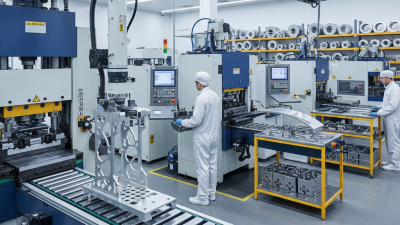
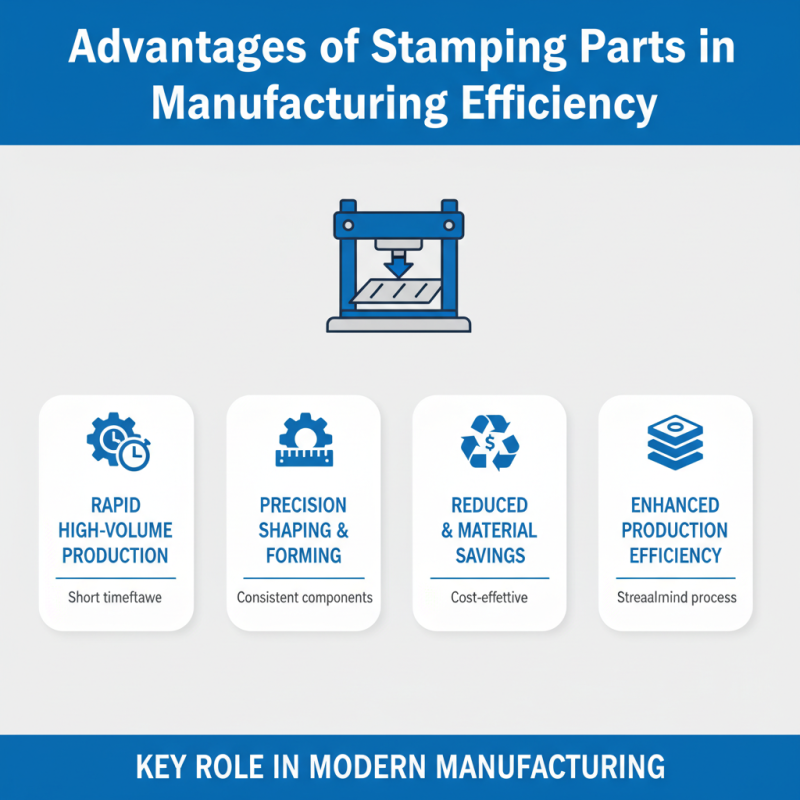
Stamping parts play a crucial role in modern manufacturing processes. They are essential components created through metal stamping, where sheets of metal are shaped and formed using dies. This technique is important for various industries, from automotive to electronics. In fact, the efficiency gained from stamping parts can significantly impact overall production costs.
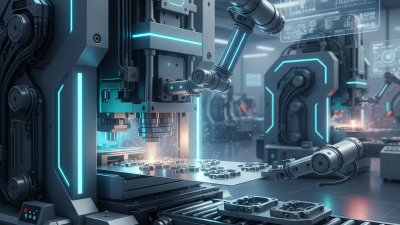
The manufacturing landscape is rapidly evolving. Innovations, such as the integration of AI in industries, are enhancing the stamping process. For instance, at the upcoming 139th Canton Fair, manufacturers will showcase products that incorporate advanced stamping techniques. Businesses can efficiently identify suppliers with necessary certifications through AI-driven tools.
However, it's important to reflect on the challenges surrounding stamping parts. Quality control can be overlooked during mass production. Sometimes, the necessity for precision may lead to increased waste. As manufacturing continues to advance, improving on these aspects is vital. Emphasizing the importance of stamping parts requires ongoing commitment to quality and optimization in manufacturing practices.
Definition of Stamping Parts in Manufacturing Processes
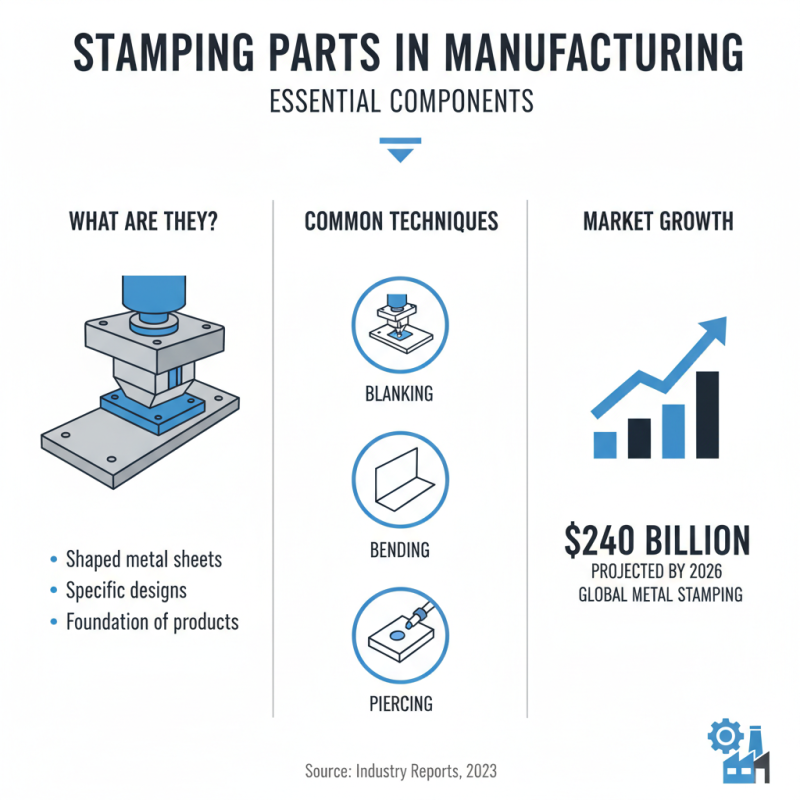
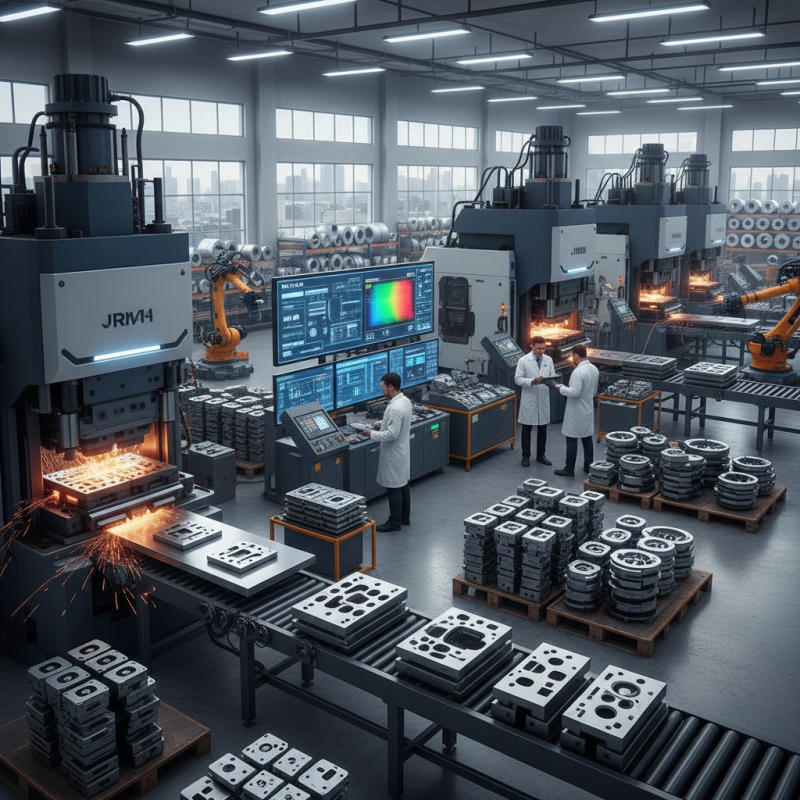
Stamping parts are essential components in the manufacturing process. They are created through a method that involves shaping metal sheets into specific designs. Common techniques such as blanking, bending, and piercing are used in this process. According to industry reports, the global metal stamping market is projected to reach $240 billion by 2026, indicating significant growth. This highlights the increasing reliance on stamped parts across various sectors.
Tips: Always consider material thickness and type. Thin sheets may require different techniques compared to thicker materials. Proper tooling is critical for precision and efficiency.
These stamped components are vital for industries like automotive and electronics. They ensure that products are lightweight yet durable. However, the quality can vary. Some manufacturers may overlook quality checks, leading to defects. A focus on meticulous inspection processes can help mitigate this risk.
Tips: Regularly audit your production tools. Wear and tear can affect stamping accuracy and end product quality. Investing in high-quality tooling is essential for longevity.
Stamping is not just about speed, but also precision. Mistakes in this stage can lead to costly redesigns. It’s important for manufacturers to prioritize training for their operators to ensure the highest standards are maintained.
Types of Stamping Processes and Their Applications
Stamping processes are essential in manufacturing, producing high-precision metal parts. There are several types of stamping processes, each suited to different applications. The most common techniques include progressive stamping, deep drawing, and blanking. Progressive stamping allows for continuous production, making it efficient for large runs.
In 2022, the global stamping market was valued at approximately $35 billion, and it is projected to grow. This growth reflects the increasing demand for customized metal parts across industries like automotive and aerospace. Deep drawing is particularly important in the automotive sector. It is used for components like chassis and engine parts, where strength and durability are crucial.
**Tips:** When selecting a stamping process, consider material compatibility. Different materials respond differently to these processes. Also, maintain a machine for optimal performance. Regular maintenance can save costs in the long term.
Blanking is another key process, focusing on cutting flat metal sheets. It’s less complex but essential for producing parts like washers and spacers. While stamping offers many advantages, challenges exist. Some manufacturers face issues with material wastage or misalignment during production. Addressing these problems is vital for consistent quality. Manufacturers should continually evaluate their processes to ensure they meet industry demands.
Stamping Processes and Their Applications
Materials Commonly Used for Stamped Parts
Stamped parts play a crucial role in manufacturing. These components are created through a metal stamping process. Various materials can be utilized in this process, each offering distinct characteristics. Understanding these materials is essential for effective production.
Commonly used materials for stamped parts include steel, aluminum, and copper.
Steel is popular due to its strength. It is widely used in automotive and construction applications. Aluminum, on the other hand, is lightweight and corrosion-resistant.
This makes it ideal for applications where weight reduction is essential. Copper, while less common, is known for its excellent conductivity.
While these materials have advantages, challenges exist. For instance, not all materials are easy to stamp. Some may require specific tools or techniques. Quality control is also a concern. Variability in the material can lead to defects in the final product. A deeper understanding of the material properties can prevent such issues. Adjustments in the manufacturing process may be necessary to achieve optimal results.
Quality Control and Testing Methods for Stamping Parts
Quality control is crucial in the stamping parts industry. It ensures that components meet specified standards. According to industry reports, approximately 5% of stamped parts may fail initial inspections. This figure highlights the need for stringent testing methods.
Common testing methods include dimensional checks and material inspections. Dimensional checks assess the precise measurements of stamped parts. They help identify any deviations from design specifications. Material inspections evaluate the properties of the metals used. This process is vital to prevent defects in the final product.
Despite advanced technologies, imperfections still occur. Some manufacturers neglect thorough testing due to cost pressures. This oversight can lead to significant losses and quality issues. It is important to balance efficiency and quality. Regular audits and updated testing protocols can help address these concerns. The industry must prioritize continuous improvement to maintain high standards.