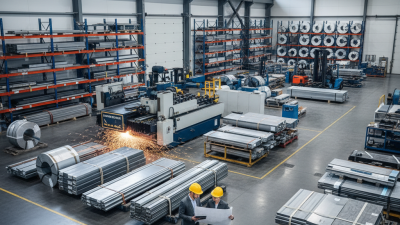
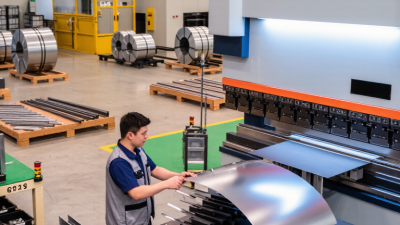
China’s sheet metal work sector has become a practical sourcing option for global buyers. Its factories support enclosures, brackets, cabinets, frames, panels, and precision assemblies. Many manufacturers combine laser cutting, CNC punching, bending, welding, and powder coating under one roof. That reduces handoffs. Sometimes, it also hides process weaknesses.
Steve Benson, a respected sheet metal forming specialist and former columnist for The FABRICATOR, has emphasized a useful principle: “The best way to learn is to do.” This idea matters when evaluating Chinese suppliers. A polished website proves little. Buyers should inspect production samples, review material certificates, and ask how operators control bend angles, burrs, weld distortion, and surface defects. Real experience appears in details.
Reliable manufacturers usually explain tolerances before quoting. They identify steel or aluminum grades clearly. They also discuss tooling limits, inspection equipment, packaging, and corrective actions. These conversations reveal more than low prices. A supplier that records first-article results and communicates changes is easier to trust.
Not every large factory is suitable. Not every small workshop is unreliable. That assumption deserves reconsideration. The right partner depends on drawing complexity, annual volume, finish requirements, inspection expectations, and delivery planning. Global buyers should compare evidence, not promises.
This guide examines leading China sheet metal work manufacturers for international procurement. It focuses on capabilities, quality systems, production experience, communication, and export readiness. The goal is not to praise every supplier. It is to help buyers ask sharper questions before placing a purchase order.
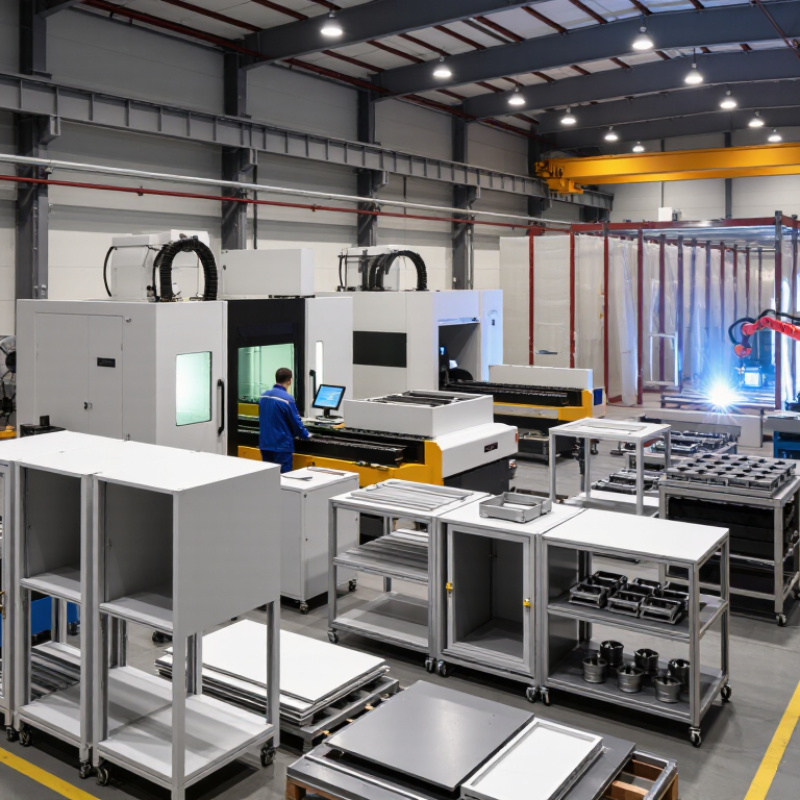
A top sheet metal work manufacturer in China proves its value through consistent process control, not attractive machinery alone. Experienced teams understand how material thickness affects bending, springback, and weld distortion. They review drawings carefully and suggest practical design changes before production begins. A reliable factory can provide material certificates, inspection records, and clear production updates. Small details matter, such as clean laser-cut edges, accurate hole positions, and even coating coverage.
Tips: Request a sample before placing a large order. Check bend angles with calibrated gauges. Ask how operators manage burrs, weld spatter, and surface scratches. Confirm tolerances, packaging methods, and inspection points in writing. A factory that answers specific questions usually understands the work better.
Strong manufacturers also maintain traceability from raw sheet to finished assembly. Their quality staff should use tools such as calipers, height gauges, and coordinate measuring equipment when necessary. However, no workshop is perfect. I have seen capable suppliers miss a cosmetic mark or underestimate packaging risks. What matters is honest reporting, corrective action, and prevention of repeated errors. Production capacity should match your real schedule, rather than an impressive promise. Clear communication, stable workmanship, and documented improvements define a top sheet metal work manufacturer for global buyers.
Global buyers need more than a low sheet metal price. They need a clear process, stable quality, and practical engineering support. Core services include laser cutting, CNC punching, bending, welding, assembly, and surface finishing. Experienced engineers review drawings before production begins. They check material grade, wall thickness, bend radius, and tolerance requirements.
A 2D drawing helps, but a 3D model can reveal hidden problems. Small details matter. A tight corner may cause cracking during bending. Thin stainless steel can distort during welding. Common materials include carbon steel, stainless steel, and aluminum. Finishes may include powder coating, plating, brushing, or anodizing. Inspection teams use calipers, gauges, and coordinate measuring equipment for critical dimensions.
Reliable suppliers provide samples, inspection records, and production updates. They should explain which tolerances are realistic for each process. Clear communication reduces costly changes across different time zones. Not every first design is production-ready. Sometimes, a simple bend adjustment improves strength and reduces waste. That lesson is easy to miss. Buyers should also confirm packaging, labeling, lead times, and shipment protection before production. Careful documentation supports repeat orders and helps global teams compare results accurately.
Material selection is a key factor when sourcing sheet metal fabrication services. Aluminum offers low density for lightweight parts, while stainless steel and copper provide higher density and specialized performance. The values shown are standard reference densities at approximately room temperature and may vary slightly by alloy and grade.
China Top Sheet Metal Work Manufacturers for Global Buyers
How Chinese Manufacturers Manage Quality, Materials, and Production
Reliable Chinese sheet metal manufacturers usually control quality through several connected stages. They review drawings, tolerances, surface requirements, and packaging details before production. Skilled engineers may suggest changes that reduce waste or simplify bending. This practical feedback can save time, although it may challenge the original design.
Material control begins with approved specifications and traceable purchasing records. Common options include carbon steel, stainless steel, aluminum, and galvanized sheet. Manufacturers should verify thickness, grade, and surface condition before cutting. Material certificates and sample checks provide useful evidence. Still, paperwork alone is not enough. Physical inspection matters.
Production quality depends on equipment, operators, and process discipline. Laser cutting, punching, bending, welding, and coating each require separate checks. In-process measurements can catch holes, angles, and weld problems early. Final inspections often review dimensions, appearance, function, and packing strength. No factory is flawless. Rework can still happen, especially with complex assemblies. Honest reporting is more reliable than perfect-sounding claims.
Tips: Request a complete inspection plan before ordering. Ask for material certificates and dimensional reports. Confirm sampling rules, tolerance standards, and corrective-action procedures. A small pilot batch can reveal problems before full production. Share clear drawings and photographs. Vague instructions create expensive assumptions.
| Management Area | Typical Industry Practice | Common Materials or Standards | Quality Evidence for Buyers | Recommended Buyer Checkpoint |
|---|---|---|---|---|
| Material Identification | Material is verified against the purchase order, drawing, grade, thickness, and surface condition before production. | Carbon steel, stainless steel, aluminum, galvanized steel, and copper alloys are commonly used for fabricated sheet-metal parts. | Mill test certificate, material label, heat or batch number, and incoming inspection record. | Confirm that the certificate grade, thickness tolerance, and batch number match the supplied parts. |
| Sheet Thickness Control | Thickness is checked with calibrated micrometers or digital gauges at defined sampling points. | Commercial sheet thickness commonly ranges from approximately 0.5 mm to 6 mm; heavier plate may require different processing equipment. | Inspection reports showing actual readings and applicable material tolerance. | Specify nominal thickness, permitted tolerance, measurement method, and sampling quantity. |
| Design and Drawing Review | Manufacturers review bend allowances, hole locations, corner radii, weld access, and finishing requirements before releasing the job. | 2D CAD drawings, 3D models, GD&T callouts, and approved revision-controlled specifications. | Drawing review record, manufacturability feedback, and controlled revision history. | Approve one controlled drawing revision and clearly identify critical-to-function dimensions. |
| Cutting Operations | Laser cutting, CNC punching, shearing, or waterjet cutting is selected according to material, thickness, geometry, and volume. | Laser cutting is widely used for complex profiles and repeatable hole patterns; tooling-based punching is efficient for repetitive features. | First-article dimensional report, edge-condition inspection, and machine setup record. | Check cut edges for excessive burrs, heat effects, distortion, and dimensional deviation. |
| Bending and Forming | CNC press brakes use programmed bend sequences, tooling selection, and back-gauge control to maintain repeatability. | Bend radius, bend angle, springback, grain direction, and minimum flange length affect the final result. | Bend-angle readings, flange measurements, first-piece approval, and in-process inspection records. | Define angle tolerance, inside radius, visible-face requirements, and acceptable forming marks. |
| Welding and Joining | MIG, TIG, spot welding, riveting, clinching, and threaded inserts are selected according to load, appearance, material, and production volume. | Welding procedures should address joint design, filler material, heat input, shielding gas, and distortion control. | Welding procedure records, operator qualification evidence where required, visual inspection, and dimensional checks. | State weld size, weld length, allowable porosity or undercut, grinding requirements, and functional testing needs. |
| Dimensional Inspection | Calipers, micrometers, height gauges, gauges, CMMs, or optical systems are used according to part complexity and tolerance. | General tolerances may follow ISO 2768 when specified; tighter tolerances must be individually defined on the drawing. | FAI or inspection report, calibrated equipment list, and measurement data for critical dimensions. | Do not rely on a general tolerance for safety-critical, sealing, mating, or assembly dimensions. |
| Surface Preparation | Deburring, edge rounding, cleaning, blasting, brushing, or chemical preparation is performed before the final finish. | Surface requirements may include roughness, grain direction, cleanliness, weld blending, and visible-face protection. | Visual inspection under defined lighting, roughness readings where applicable, and pre-finish approval samples. | Provide reference samples or photographs for acceptable scratches, dents, weld marks, and edge conditions. |
| Coating and Finishing | Powder coating, wet painting, plating, anodizing, galvanizing, or passivation is selected based on corrosion, appearance, and service conditions. | Typical controls include color reference, coating thickness, adhesion, cure conditions, and corrosion-resistance requirements. | Coating thickness readings, adhesion test results, color verification, and finish-process records. | Specify color standard, gloss level, thickness range, masking zones, and test method before quotation. |
| Traceability and Documentation | Production lots are linked to material records, work orders, inspection results, and packing labels. | ISO 9001-based quality systems commonly use controlled documents, nonconformance records, and corrective-action procedures. | Certificate of conformity, inspection report, packing list, material certificate, and nonconformance disposition where applicable. | Agree on the document package required with each shipment and the retention period for quality records. |
| Production Planning | Jobs are scheduled around material availability, machine capacity, tooling, subcontracted finishing, inspection, and export packing. | Actual lead time varies with drawing complexity, order quantity, finishing route, approval cycles, and material sourcing. | Manufacturing schedule, order status updates, approved production sample, and shipment release record. | Separate prototype, first-article, and repeat-order lead times in the purchase agreement. |
| Final Inspection and Packing | Finished parts are checked for quantity, dimensions, appearance, assembly features, labeling, and protection against transport damage. | Packaging may include separators, protective film, moisture protection, export cartons, pallets, and shock-resistant materials. | Final inspection report, photographs, carton markings, packing list, and pre-shipment inspection record. | Approve packaging specifications and require photographs of packed goods before dispatch when damage risk is high. |
| Nonconformance Management | Defective or questionable parts are identified, segregated, reviewed, and either reworked, replaced, accepted by concession, or rejected. | Corrective-action methods commonly include root-cause analysis, containment, corrective action, and effectiveness verification. | Nonconformance report, corrective-action report, reinspection result, and concession approval where applicable. | Define the notification period, replacement responsibility, approval authority, and cost treatment for nonconforming goods. |
China Top Sheet Metal Work Manufacturers for Global Buyers
When evaluating Chinese sheet metal manufacturers, check certifications beyond a logo on a website. Request current ISO 9001 certificates, accreditation details, and the certified production scope. Environmental or safety certifications may also matter for your industry. An experienced supplier should explain inspection records, material traceability, and corrective actions without hesitation. Ask for sample reports showing dimensions, coating thickness, and welding quality.
Capacity must match your real production schedule, not only the factory’s advertised machinery. Confirm laser bed sizes, press brake tonnage, welding stations, shift patterns, and monthly output. A factory may own modern equipment but lack skilled operators during peak periods. Lead times should include engineering review, prototype approval, production, inspection, and export packing. Written milestones are useful. Still, delays happen, and buyers should avoid promises that sound perfect.
Tips: Ask for a pilot order, a production calendar, and recent shipment references. Confirm who manages customs documents, commercial invoices, packing lists, and certificates of origin. Clarify Incoterms, pallet specifications, moisture protection, and photo records before dispatch. A reliable export team should answer within an agreed timeframe and identify risks early. I would also inspect a first article independently, because trust alone is not a quality system.
Selecting a Chinese sheet metal partner requires more than comparing hourly prices. UNIDO’s 2024 International Yearbook of Industrial Statistics places China at roughly 31% of global manufacturing value added in 2023. That scale offers broad process capability, but it does not guarantee a suitable factory. Ask for recent samples, material certificates, and a live production walkthrough. Inspect laser-cut edges, bend angles, weld penetration, and powder-coat thickness. Small details reveal process discipline.
Quality evidence should be measurable. The ISO Survey 2023 lists China as having the largest number of ISO 9001 certificates, yet certification alone cannot prove stable output. Request a control plan, first-article inspection report, gauge calibration records, and corrective-action history. Confirm tolerances against your drawings, not vague “high precision” claims. Verify stainless grades with mill certificates and use XRF testing when composition matters. I prefer a pilot batch before a full order. It exposes problems early. Sometimes the pilot is not flattering.
Capacity and communication deserve equal attention. Check machine lists, shift patterns, backup equipment, and subcontracting disclosure. China ranked 19th in the World Bank’s 2023 Logistics Performance Index, with a score of 3.7, but transport performance still varies by port and season. Ask for packaging photos, export documents, lead-time buffers, and a named engineering contact. Compare landed cost, not quotation price. Include tooling, inspection, freight, duties, rework, and delay risk. A reliable partner shares bad news quickly. That matters more than polished sales language.
You are using an outdated browser. Things may not appear as intended. We recommend updating your browser to the latest version.
Close