The precision sheet metal industry is seeing transformative innovations in 2026. According to a recent market report, the global precision sheet metal market is projected to grow at a CAGR of 5.8% from 2023 to 2028. This growth highlights the increasing demand for lightweight and durable metal solutions across various sectors, including automotive and aerospace.
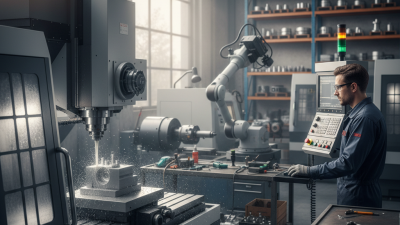
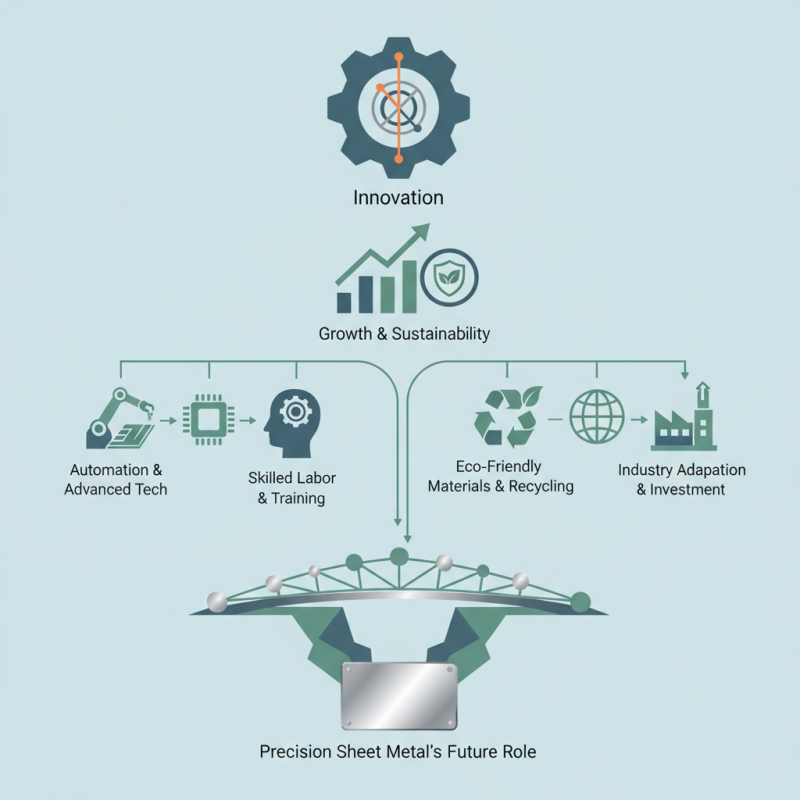
Emerging technologies are reshaping how companies approach fabrication. Automation and advanced machining techniques offer enhanced accuracy and efficiency. However, these advancements also present challenges, such as the need for skilled labor to operate complex machinery. Companies must adapt quickly to stay competitive, yet many struggle with the required training.
Sustainability is another keyword shaping the future. There's a growing trend toward recycling and eco-friendly materials. While this is promising, not all manufacturers are equipped to make this transition smoothly. Industry players must reflect on their practices and invest appropriately to meet evolving consumer demands while ensuring operational efficiency. Precision sheet metal will undoubtedly play a pivotal role in this journey.
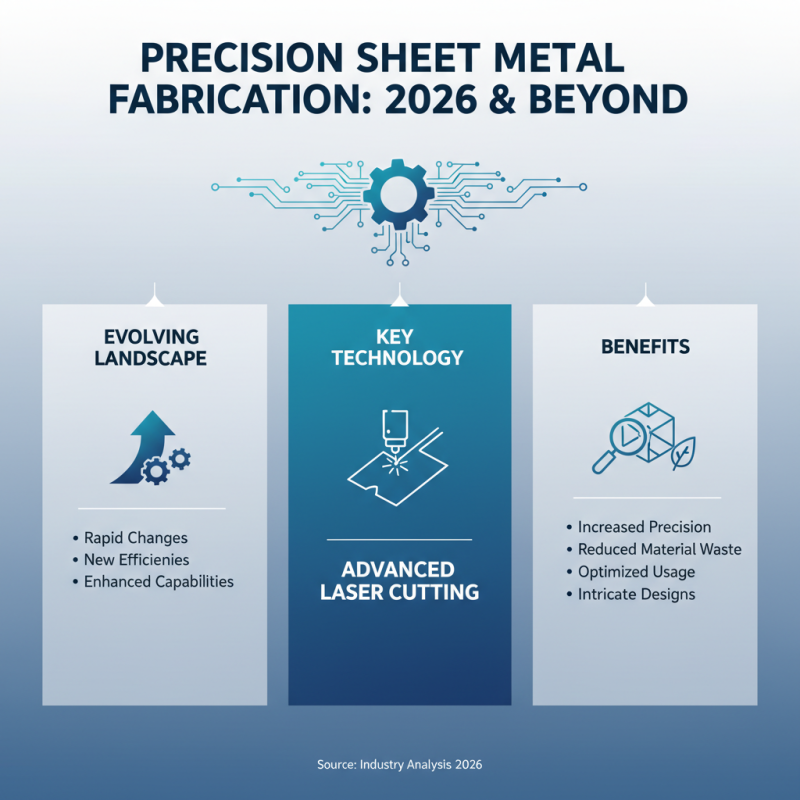
The landscape of precision sheet metal fabrication is evolving rapidly as we approach 2026. Emerging technologies are reshaping this industry, bringing new efficiencies and capabilities. For instance, advancements in laser cutting offer enhanced precision. This technology minimizes waste and optimizes material usage. Companies can achieve intricate designs that were previously challenging.
Automation is another key trend. Robotic systems are increasingly integrated into fabrication processes. This integration reduces labor costs but raises questions about workforce sustainability. How can workers adapt to these changes? It’s essential to upskill the workforce to keep pace with technology.
3D printing is also gaining traction in sheet metal fabrication. This allows for rapid prototyping and flexibility in designs. However, challenges remain in material compatibility and strength. As companies explore this avenue, they must address concerns regarding durability. The focus should remain on balancing innovation with practical applications. Balancing these aspects will be crucial as we move closer to 2026.
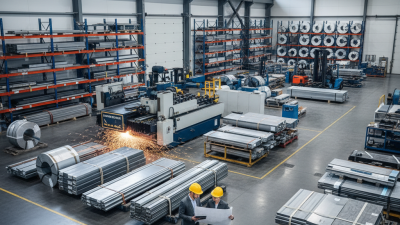
Advancements in automation and robotics are transforming the landscape of sheet metal fabrication.
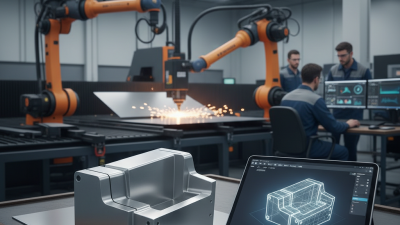
Robots can handle tasks like cutting, bending, and welding with unmatched precision. They improve efficiency, reduce human error, and minimize waste. Companies are adopting collaborative robots, or cobots, to work alongside human operators. This allows for increased productivity while maintaining safety.
However, integrating automation is not without challenges. There are significant upfront costs associated with robotics. Smaller shops may struggle to keep pace with larger competitors. Training staff to work with new technologies is also a hurdle. Experience with traditional methods can make it difficult to adapt. While automation offers great potential, there remains a need for human oversight and expertise.
As manufacturers embrace these innovations, the skill gap in the workforce is a notable concern. Skilled technicians are essential for maintaining and programming robotic systems. The industry must invest in education and training. Automation is not a complete replacement for human labor. A blended approach will be crucial for future success in the sheet metal fabrication sector.
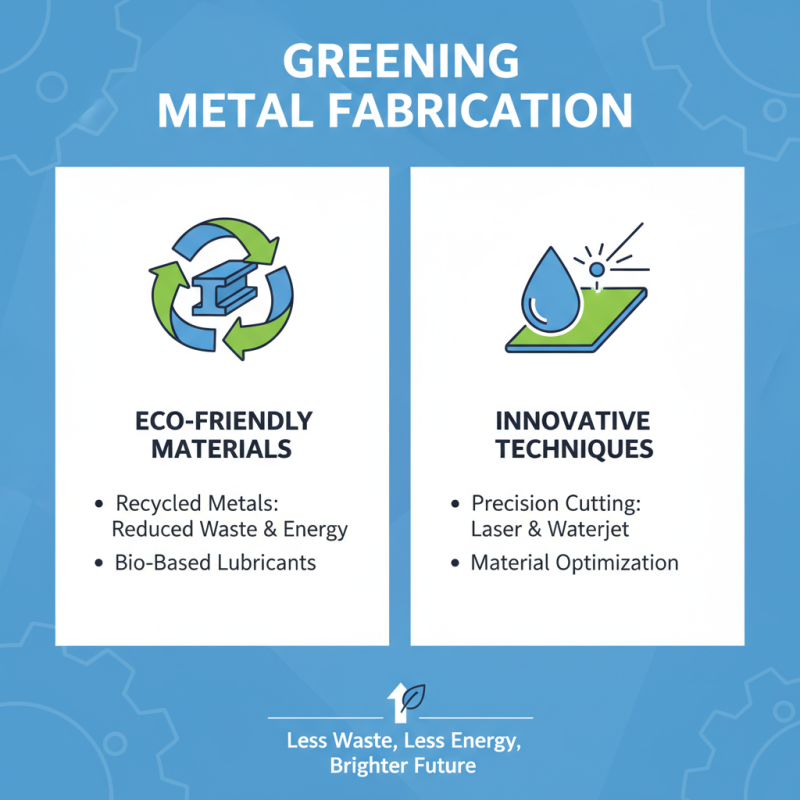
Sustainable practices in metal fabrication are gaining momentum. The industry is increasingly turning to eco-friendly materials. Recycled metals are a notable choice. They reduce waste and lower energy usage during production. Additionally, innovative techniques like laser-cutting and water jetting minimize material waste. These methods create precise cuts, optimizing the use of available resources.
Another exciting development is the use of bio-based coatings. These coatings replace harmful chemicals. They ensure safety for workers and the environment. However, transitioning to these new materials can be challenging. Some manufacturers may hesitate due to costs and adaptation periods. The learning curve is steep, but the benefits often outweigh the initial struggles.
Finally, incorporating renewable energy in manufacturing is a huge step forward. Solar panels on factory roofs can power machines. Some plants are exploring kinetic energy solutions too. Yet, not every facility can easily implement these technologies. It requires investment and commitment. This journey may expose the need for deeper reflection on energy practices. The path to sustainability is not only about technology; it's a mindset shift for the entire industry.
The integration of AI and machine learning in precision sheet metal fabrication is transforming the industry. These technologies streamline processes, improving productivity significantly. For instance, AI-driven systems can predict machine failures before they happen. This proactive maintenance approach reduces downtime and enhances overall efficiency.
Furthermore, machine learning algorithms analyze vast data sets to optimize cutting paths and settings. This leads to reduced waste and energy consumption. However, the reliance on technology may lead to overconfidence. Human oversight is still crucial. Sometimes, algorithms might misinterpret anomalies or unique materials.
As companies adopt these innovations, they must remain vigilant. Regular training for staff is essential to complement AI tools. The balance between automation and skilled labor can be delicate. Embracing change is necessary, but it should not overshadow foundational practices in the industry.
The advancements in material science are shaping the future of sheet metal fabrication. New alloys are emerging that offer greater strength and weight reduction. These materials enhance the efficiency of manufacturing processes.
Innovations like 3D printing and composite materials allow for complex designs. These developments do pose challenges in transitioning traditional methods. Some companies might struggle with adapting to these changes. It's essential for businesses to embrace flexibility in their operations.
Tips: Consider investing in training for your workforce. This ensures that they are updated on the latest technologies. Collaborating with material scientists can also bring fresh insights into design techniques.
Moreover, the shift toward sustainability can impact material choices. Recycled metals are gaining popularity, but they may not always meet quality standards. It's important to balance eco-friendliness with performance requirements. Test materials thoroughly before implementing new options in your workflow.
You are using an outdated browser. Things may not appear as intended. We recommend updating your browser to the latest version.
Close