Why Choose a Knurled Door Handle for Your Project?

Choosing a Knurled Door Handle can change how a room feels and functions. Its textured surface offers a firm, controlled grip, even when hands are wet, gloved, or carrying a heavy bag. The small ridges also catch light, adding visual depth to timber, glass, and painted doors. In busy homes, hotels, offices, and retail spaces, this detail can support both daily comfort and a stronger design identity.

Experience matters here. A handle may look impressive in a product photograph but feel too sharp after repeated use. Professional selection should consider knurl depth, edge finishing, mounting strength, door weight, and cleaning routines. Stainless steel, brass, and coated finishes can age differently beside moisture, fingerprints, or cleaning chemicals. Requesting samples and testing the grip at the actual door is often more reliable than choosing from measurements alone. It is a simple step.

Still, a Knurled Door Handle is not the perfect answer for every project. Deep knurling may collect dust, while a highly polished finish can reveal marks quickly. Users with limited hand strength may prefer a smoother profile or a larger diameter. Designers should review accessibility expectations and local requirements before specifying hardware. I have seen attractive handles become uncomfortable when appearance leads the decision. The best choice balances tactile confidence, durability, maintenance, and the surrounding architecture. Careful comparison helps the hardware perform quietly for years, rather than becoming an expensive detail that needs replacing.
Why Choose a Knurled Door Handle for Your Project?

What Is a Knurled Door Handle?

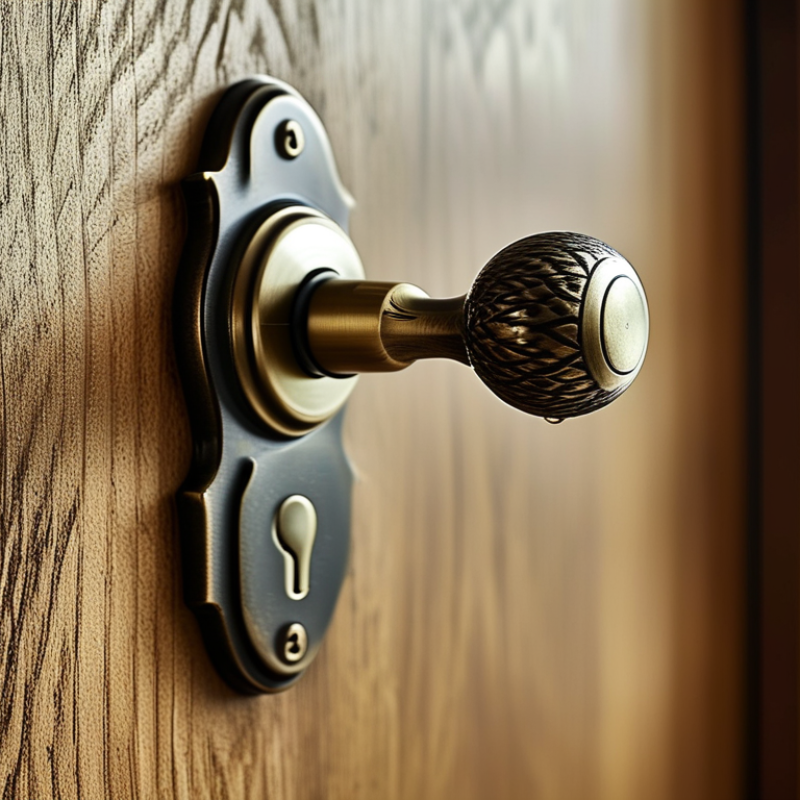
A knurled door handle is a handle with a textured surface made from fine, repeated ridges. These ridges are usually cut or pressed into metal during manufacturing. The pattern improves grip without requiring a large handle or strong squeezing force. It may feel slightly rough, but that texture is the main purpose.

In practical use, knurling helps when hands are wet, dusty, or carrying a small object. I have found that a medium-depth pattern offers a steadier grip than a perfectly smooth finish. Very sharp ridges can feel uncomfortable, though. This detail is easy to overlook. The handle should suit the door, room, and users.

Knurled handles are commonly made from stainless steel, brass, or coated metal. Each material affects weight, touch, cleaning, and long-term appearance. Stainless steel often works well in busy areas because it resists everyday wear. A bathroom handle needs careful cleaning, since dirt can collect between the ridges. Installation also matters. Poor alignment can make a quality handle feel loose or awkward. In my experience, checking the door thickness and fixing position before drilling prevents many avoidable mistakes. Yet measurements can still be wrong on older doors, so a final physical check remains worthwhile.

How Knurled Texture Improves Grip and Usability

Why Choose a Knurled Door Handle for Your Project?

How Knurled Texture Improves Grip and Usability

A knurled door handle uses repeated ridges to increase tactile feedback. Your fingers feel the surface before applying full force. This matters when hands are wet, oily, gloved, or cold. The UK Health and Safety Executive reported that slips and trips caused about 30% of specified workplace injuries in 2022/23. A textured handle cannot prevent every accident, but it can reduce uncertainty during contact. That small improvement feels practical at a busy entrance.

NIOSH identifies high grip force and awkward wrist positions as ergonomic risk factors. Knurling may help users hold the handle with less squeezing, especially on heavy or frequently used doors. In installation reviews, I look for ridge depth, spacing, and edge comfort. Very fine knurling can feel smooth after repeated contact. Very sharp ridges may irritate bare skin or catch delicate gloves. The “strongest” texture is not always the most usable choice.

Material finish also affects performance. Brushed metal can preserve tactile contrast, while thick coatings may soften the pattern. Cleaning matters too. Deep grooves can collect dust, although shallow, well-spaced ridges are easier to maintain. Accessibility testing should include older users, limited hand strength, and wet-hand conditions. One weakness remains: designers sometimes judge grip by appearance alone. Real-world trials often reveal the better answer.

Which Materials and Finishes Suit Different Projects?

A knurled door handle earns its place through grip, not decoration. Its ridged surface improves control when hands are wet, gloved, or carrying bags. Material choice, however, determines durability and maintenance. Stainless steel suits kitchens, healthcare areas, and coastal entrances because it resists moisture and frequent cleaning. Brass brings warmth to residential interiors and develops a changing patina over time. Aluminum is lightweight and practical for high-volume interior doors. The Circularity Gap Report 2023 estimated that only 7.2% of the global economy was circular. That figure makes repairable, long-lasting hardware more important. Not every project needs the most expensive alloy.

Tips: Touch physical samples before ordering. Check the underside for sharp edges. Use stainless steel near salt air. Request ASTM B117 salt-spray evidence, but do not treat test hours as a lifetime guarantee. Finish samples can deceive.

PVD finishes can provide a dense decorative layer for doors exposed to regular contact. Powder coating offers strong color control and suits modern commercial interiors, although chipped areas may be difficult to repair invisibly. A satin finish hides fingerprints better than polished metal. Matte black looks striking, but dust and scratches can show quickly. UNEP’s 2023 Global Status Report for Buildings and Construction linked buildings and construction to 37% of global energy-related emissions and process emissions. Hardware is a small part of that footprint, yet replacement cycles still matter. I have seen beautiful handles fail because the finish was chosen before the cleaning routine. That decision deserves another look.

Why Choose a Knurled Door Handle for Your Project? - Which Materials and Finishes Suit Different Projects?

Material Typical Strengths Recommended Finishes Suitable Project Types Indoor / Outdoor Use Corrosion Resistance Maintenance Considerations Design Character
304 Stainless Steel Strong, durable, hygienic, and widely suitable for general architectural hardware. Satin
Brushed
Polished
Residential interiors, offices, retail spaces, kitchens, and general commercial doors. Excellent indoors; suitable outdoors in normal environments when properly maintained. High Wipe with a soft cloth and mild detergent. Avoid chloride-based cleaners and abrasive pads. Clean, modern, and practical with a visible metal texture.
316 Stainless Steel High durability with improved resistance to chlorides and coastal or humid conditions. Satin
Brushed
PVD Coated
Marine locations, coastal homes, swimming-pool areas, healthcare facilities, and high-humidity projects. Excellent indoors and outdoors, especially in demanding environments. Very high Regularly remove salt, dirt, and standing moisture. Use a non-abrasive cleaner. Professional, robust, and suited to contemporary architectural designs.
Solid Brass Dense, substantial feel; naturally warm appearance; suitable for detailed machining and knurling. Natural Brass
Antique Brass
Brushed Brass
PVD Brass Tone
Luxury residences, boutique hospitality, heritage-inspired interiors, and statement entrance doors. Best indoors; exterior use depends on protective coating and local climate. Moderate to high Finish may develop a natural patina unless lacquered or otherwise protected. Avoid harsh chemicals. Warm, premium, tactile, and visually distinctive.
Zinc Alloy Cost-effective, easy to cast, and available in a broad range of decorative shapes and finishes. Matte Black
Chrome
Brushed Nickel
Bronze Tone
Interior residential doors, apartments, offices, furniture doors, and budget-conscious renovations. Primarily recommended for dry indoor environments. Moderate indoors Keep dry and clean. Coating damage can expose the base metal to corrosion. Versatile and decorative, with many color and surface options.
Aluminum Lightweight, easy to handle, and naturally resistant to atmospheric corrosion. Anodized Silver
Anodized Black
Powder Coated
Lightweight doors, offices, public buildings, contemporary interiors, and projects where reduced hardware weight matters. Suitable indoors and outdoors when the finish and alloy are selected for the environment. High Clean with mild soap and water. Avoid alkaline cleaners that can damage anodized surfaces. Minimal, lightweight, and well suited to modern architectural styles.
Powder-Coated Steel Rigid and impact-resistant, with a broad choice of opaque colors and textures. Matte Black
White
Custom RAL Color
Industrial interiors, commercial fit-outs, schools, workshops, and high-traffic applications. Indoors; exterior use requires a suitable substrate, coating system, and edge protection. Moderate to high Inspect chips and scratches because exposed steel may rust. Clean without abrasive tools. Bold, architectural, and industrial with strong color presence.
Blackened or Patinated Metal Creates a deliberately aged or darkened appearance while retaining the tactile character of knurling. Blackened
Oil-Rubbed
Patinated
Feature doors, hospitality interiors, restaurants, galleries, and rustic or industrial design schemes. Generally preferred indoors; outdoor use requires a durable protective treatment. Varies by base metal Follow the selected treatment requirements; periodic waxing or oiling may be needed. Textured, artisanal, and character-rich; color variation may occur naturally.

Selection guidance: choose the base material according to exposure, usage frequency, door weight, and maintenance requirements; choose the finish according to the desired appearance and the level of protection required.

How to Choose the Right Size and Handle Style

Why Choose a Knurled Door Handle for Your Project?

Choosing the right knurled door handle starts with proportion. Measure the door thickness, backset, and clearance around the frame. For most interior doors, a 96–128 mm overall handle length feels balanced. Larger doors may need a longer pull for better visual weight. A handle that looks elegant can still feel awkward.

Your hand matters more than the photograph. Fine knurling offers tactile grip, especially near kitchens, utility rooms, and entryways. However, deep patterns can collect dust and feel sharp during frequent use. The 2024 Houzz U.S. Kitchen Trends Study reported that 71% of renovating homeowners upgraded cabinet hardware. This suggests that small hardware decisions strongly influence perceived finish quality. The 2010 ADA Standards also recommend hardware operable without tight grasping or pinching, with opening force generally limited to five pounds. Always verify local requirements.

Tips: Test a full-size sample at standing height. Compare 96 mm, 128 mm, and 160 mm options on the actual door. Match the handle’s finish with nearby hinges, lighting, and faucet metal. Brushed finishes hide fingerprints better than polished ones. I sometimes prefer a slightly smaller handle than expected; visual balance is easy to underestimate. Leave enough finger clearance behind the pull, especially on thick doors.

What Installation and Maintenance Should You Consider?

Why Choose a Knurled Door Handle for Your Project?

Installation needs more attention than the textured surface suggests. Measure the door thickness, backset, and handle clearance before ordering. A small mismatch can create rattling, scraping, or poor latch engagement.

Measure twice.

Align both roses or mounting plates with the manufacturer’s template. Tighten fasteners gradually on opposite sides. Excessive torque may distort the door face or damage threads. Under-tightening causes movement during repeated use. The U.S. Access Board’s ADA Standards require operable hardware without tight grasping, pinching, or wrist twisting. A knurled pull can improve grip, but it must still support comfortable use and local code requirements.

Maintenance should be planned before installation.

The American Journal of Infection Control has reported that frequently touched surfaces can transfer contamination widely within hours. Clean the handle with mild soap and water, then dry it fully. Avoid abrasive pads, strong acids, and unapproved solvents. Inspect screws, roses, latch alignment, and surface wear during routine facility checks. The 2024 Healthy Handwashing Survey data reported by a major restroom research organization found that cleanliness strongly influences public confidence in shared facilities. That makes neglected hardware more noticeable than many teams expect.

I still see one weak point: installers often clean the handle, but ignore the fixing points. Check them monthly in busy areas. Coastal air, moisture, and harsh cleaning chemicals may accelerate corrosion. Record defects, even minor ones. Small movement today can become a failed fitting tomorrow.

Warning!

You are using an outdated browser. Things may not appear as intended. We recommend updating your browser to the latest version.

Close