2026 Top Trends in Plastic Part Manufacturing to Watch for
In the rapidly evolving landscape of plastic part manufacturing, 2026 is poised to bring significant changes. According to a recent market report by Grand View Research, the global plastic parts market is expected to reach $600 billion by 2025, with a compound annual growth rate (CAGR) of 4.5%. This highlights the growing demand for innovative solutions and sustainable practices within the industry.
Key trends such as advanced automation, increased use of biodegradable materials, and integration of IoT technologies are reshaping how plastic part manufacturing operates. Companies are investing in research and development to enhance quality and efficiency. However, there are challenges to confront. The reliance on fossil fuels for production remains a concern. This calls for a reflection on how manufacturers can balance cost-effectiveness with sustainability.
The importance of adapting to these trends cannot be overstated. As competition intensifies, staying ahead requires not just adopting new technologies, but also rethinking existing processes. The need for continuous improvement in plastic part manufacturing is critical for the industry's future viability. Understanding these shifts will be essential for stakeholders aiming to thrive in this dynamic environment.
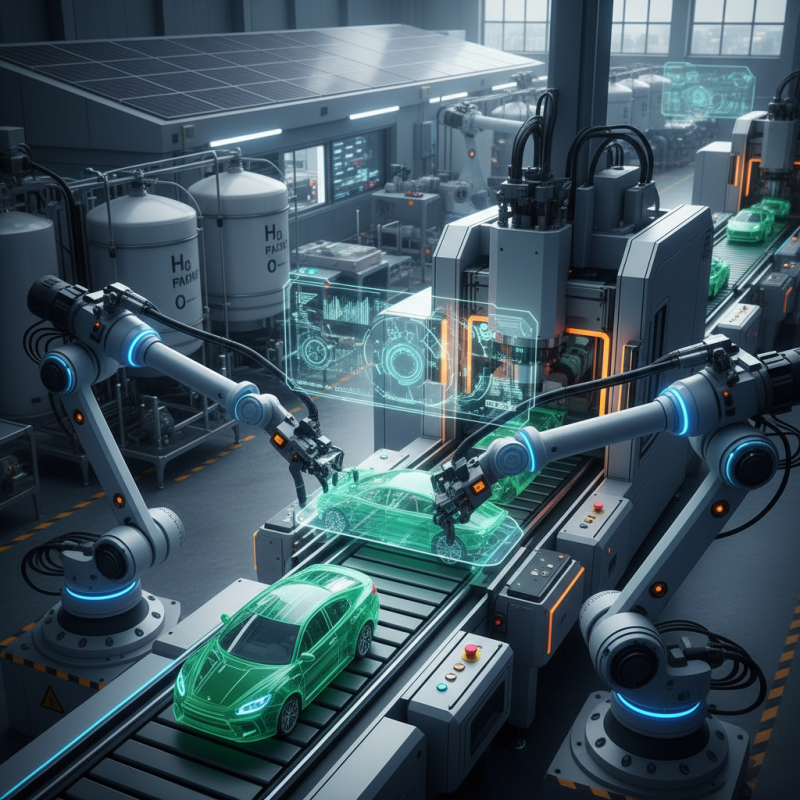
Emerging Technologies in Plastic Part Manufacturing for 2026
As the plastic part manufacturing industry evolves, emerging technologies are set to reshape production processes in 2026.
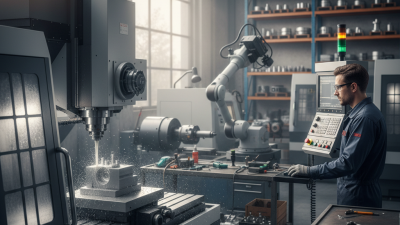
Additive manufacturing, for instance, is gaining traction. This method allows for rapid prototyping and customization, which enhances efficiency.
It also reduces material waste, making it more sustainable. However, not all companies are ready to embrace these changes. There's a learning curve involved that can be daunting.
Another trend to watch is smart manufacturing. Integrating IoT devices into production lines optimizes operations.
Real-time data helps in decision-making, leading to better quality control. Yet, the reliance on technology raises concerns about cybersecurity.
Companies must invest in secure systems to protect sensitive information.
Tips: Focus on upskilling employees to adapt to new technologies. Training programs can ease the transition. Also, consider small-scale pilot projects before full-scale implementation.
This approach minimizes risk and allows for adjustments based on real-world feedback. Sustainable practices should not be overlooked; they offer both
economic and environmental benefits.
Sustainability Trends Influencing Plastic Part Production Practices
Sustainability is changing plastic part manufacturing. As industries seek greener solutions, producers are adapting. A report by the Plastics Industry Association highlights that 45% of manufacturers are investing in sustainable practices. This shift is crucial.
Recycled materials are at the forefront. In fact, the global recycled plastics market is projected to reach $55 billion by 2027. Companies now focus on circular economy principles. They are redesigning products for recyclability, which enhances their market appeal while promoting environmental responsibility.
Challenges remain. Not all recycled materials meet quality standards. Manufacturers must balance performance with sustainability. Furthermore, consumer expectations are rising. They want transparency regarding materials used. The path forward is complex but necessary for long-term success.
Automation and Smart Manufacturing in the Plastic Industry
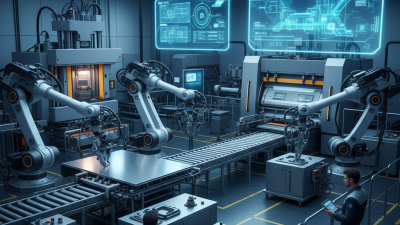
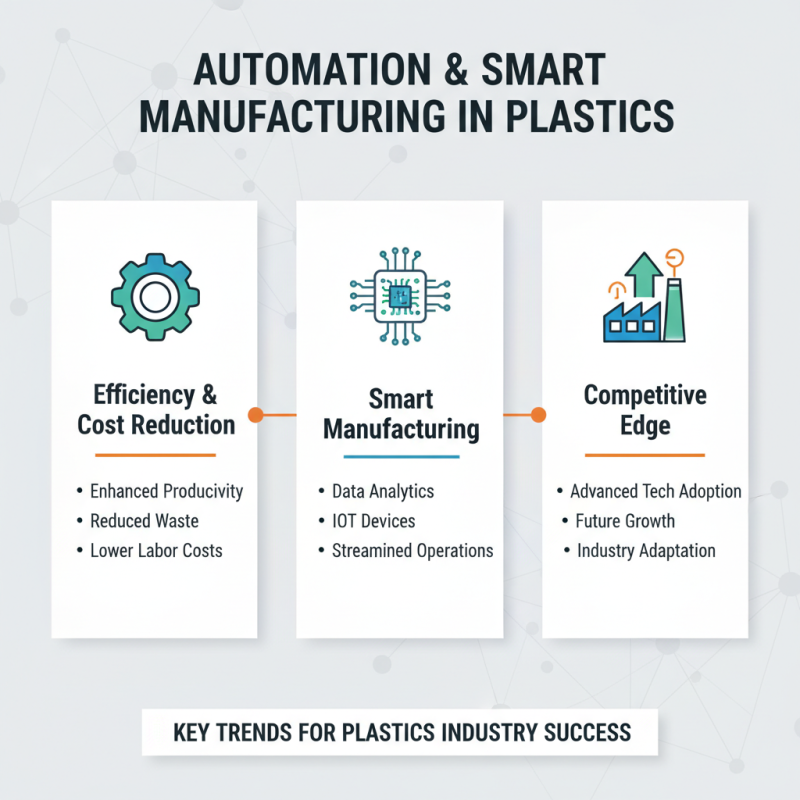
The plastic industry is witnessing a major shift towards automation and smart manufacturing. To remain competitive, manufacturers must adopt cutting-edge technologies. Automation has proven to enhance efficiency and reduce costs significantly. Smart manufacturing integrates advanced data analytics and IoT devices to streamline operations. This trend is expected to grow, making it essential for businesses to adapt.
Implementing automation requires careful planning.
Tip: Start with a pilot project to evaluate potential benefits.
Identify the key processes that can be automated for maximum impact. For example, automated material handling systems can drastically cut down manual labor. However, challenges may arise. The transition can be complex and may disrupt current workflows.
Another key area is data utilization.
Tip: Invest in robust data management systems.
These systems can help analyze production data in real-time. The insights gained can drive informed decision-making. However, it is crucial to ensure data security. All smart manufacturing systems should be protected against cyber threats. Balancing innovation with risk management is vital for successful implementation.
Innovations in Material Science for Enhanced Plastic Parts
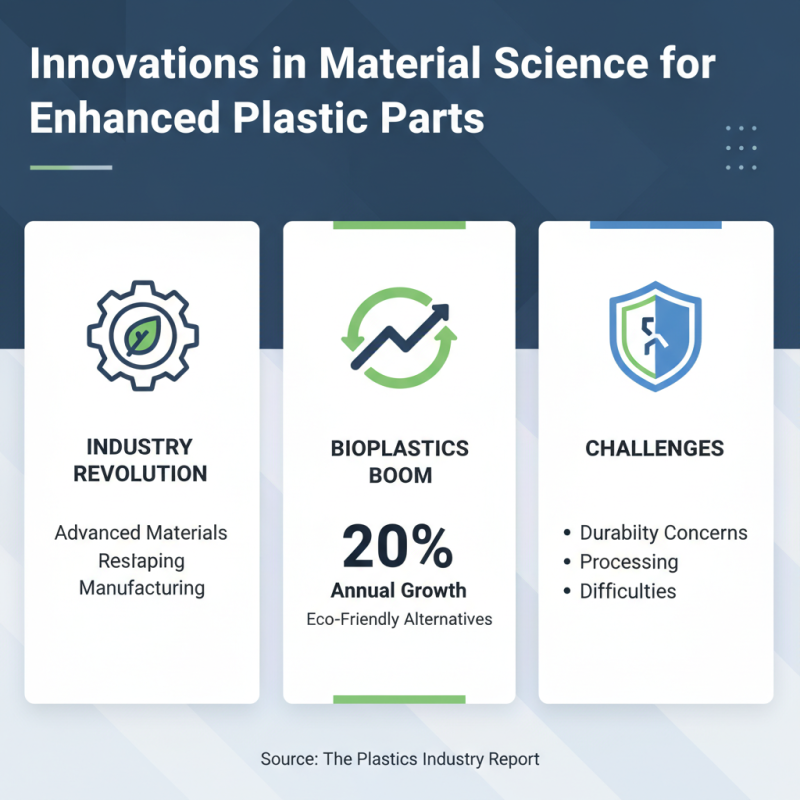
The plastics industry is on the brink of a revolution, driven by innovations in material science. Advanced materials are reshaping plastic part manufacturing. Bioplastics are gaining traction, with projections showing a 20% annual growth rate. These materials offer eco-friendly alternatives, yet they pose challenges in durability and processing.
Another significant advancement is in composite materials. Fiber-reinforced plastics are increasingly popular in automotive and aerospace sectors. A report by the American Society of Plastic Engineers indicates that composites can reduce weight by up to 30%. This weight reduction enhances fuel efficiency but complicates recycling efforts.
Additive manufacturing techniques are also evolving. 3D printing allows for rapid prototyping and increased customization. However, inconsistent layer adhesion and the need for improved materials remain concerns. Efforts are underway to tackle these issues, yet the long-term reliability of 3D printed parts is still debated among experts.
Market Demands Driving Changes in Plastic Part Manufacturing Trends
The landscape of plastic part manufacturing is evolving due to shifting market demands. A recent report by the Plastics Industry Association indicates a growing requirement for sustainable practices. Nearly 40% of manufacturers are focusing on eco-friendly materials. The shift towards sustainability is not just a trend but a necessity. Customers increasingly prefer products made with recycled content.
Another influential factor is the rise in automation. According to a study by MarketsandMarkets, the automation market in plastic manufacturing will reach $8.2 billion by 2026. This technology enhances precision and reduces waste. Manufacturers are investing in smart factories to streamline operations. However, integrating automation can pose challenges, such as high initial costs and the need for skilled workers.
The demand for customization is also on the rise. A report from Allied Market Research states that the custom plastic parts market will grow by 7% annually. Companies are adapting to this need by offering more personalized solutions. This trend forces manufacturers to rethink their processes, as flexibility can conflict with efficiency. Balancing these demands requires careful planning and execution.