Choosing among the top steel sheet metal suppliers takes more than comparing prices. A low quote may not include cutting, protective packaging, or delivery. The right supplier should match the material, finish, thickness, and tolerances your project actually needs. Small differences matter. A sheet that arrives scratched or slightly out of spec can slow fabrication and create extra work.
This guide looks at how buyers can assess suppliers by product range, processing services, quality documentation, availability, and customer support. Check whether a company stocks the grades and thicknesses you use, and ask how it handles custom cuts or recurring orders. For critical applications, request relevant material certifications and confirm how dimensions are inspected. These are practical checks, not guarantees. A polished website cannot show how carefully each order is packed.
Regional service centers, specialist metal distributors, and larger manufacturers may all be worth considering. Their strengths differ: one may offer fast local delivery, while another provides broader inventory or more processing options. Compare quotes on the same specifications, including minimum order quantities and shipping terms. Ask clear questions. Then verify the answers against your own requirements. Even careful research has limits; availability and service can change, and a supplier that works well for one shop may not suit another. The aim is to identify dependable options and make a choice based on evidence, not a ranking alone.
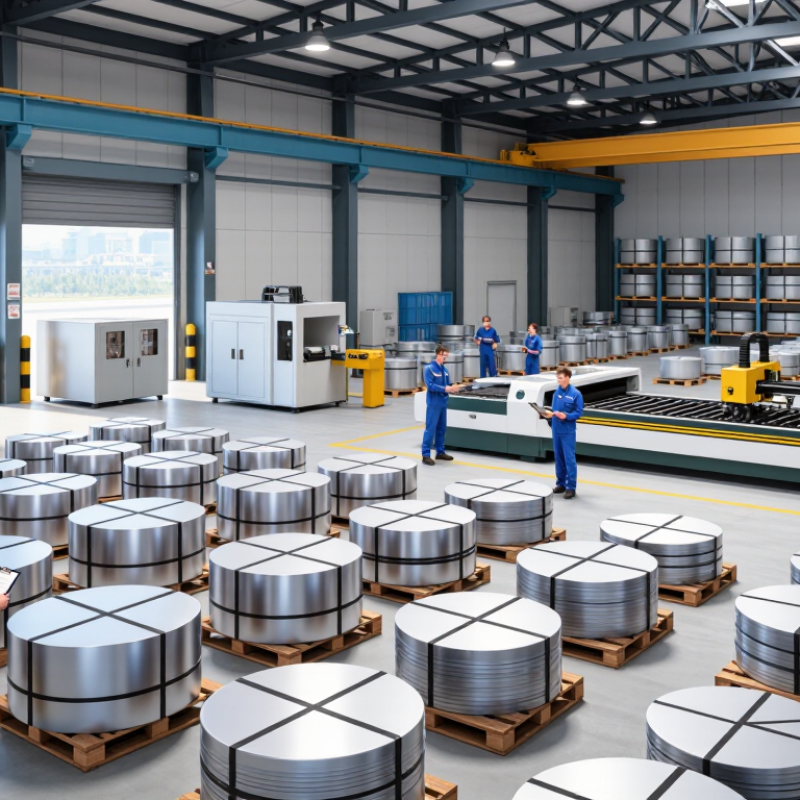
Understanding the Steel Sheet Metal Supplier Market
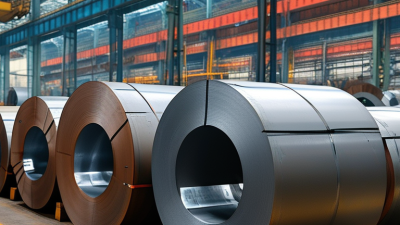
The steel sheet metal supplier market includes mills, service centers, and fabrication companies. They do different jobs. Mills produce sheet; service centers hold inventory and often cut it to size. Fabricators may offer forming or other processing, but their raw material choices can be narrower. Buyers should define grade, thickness, finish, dimensions, and tolerance before requesting quotes. Small differences matter. A sheet intended for visible panels may need a more consistent surface than one used inside an assembly.
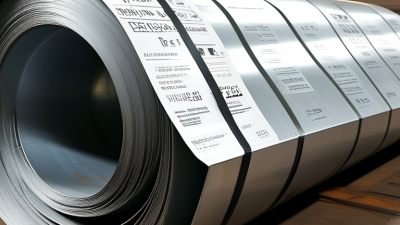
Price is only one part of a useful comparison. Check whether the quoted material is actually in stock, how much can be supplied, and when it can ship. Ask about cutting fees, packaging, and delivery conditions. A scratched corner or poorly protected stack can create extra work on arrival. Request material documentation and clarify how the supplier handles shortages or quality concerns. These details are easy to overlook during a quick purchase.
Reliability becomes clearer through repeated orders, accurate paperwork, and prompt answers to technical questions. Compare sample sheets when surface quality or flatness is important, and inspect incoming material against the agreed specifications. One limitation: a polished specification sheet cannot show every variation between batches. A low quote may still be worthwhile, but only when its scope and delivery assumptions are clear. I would not treat one successful shipment as proof of consistent performance.
| Supplier Type | Typical Steel Products | Common Services | Key Advantages | Points to Check | Best Suited For |
|---|---|---|---|---|---|
| Multi-line metal service center | Hot-rolled and cold-rolled carbon steel sheet, galvanized sheet, and—in some facilities—stainless sheet. | Inventory sales, shearing, slitting, blanking, and other processing depending on location and equipment. | Can offer multiple material types and thicknesses from regional stock; processing may reduce the work required at the buyer’s site. | Confirm the exact grade, coating, thickness, dimensions, available quantity, and processing tolerances. | Fabricators and manufacturers that need varied steel products or cut-to-size material. |
| Steel mill or mill-direct channel | Carbon steel sheet and coil produced to specified grades, dimensions, and surface or coating requirements. | Production to order, coil supply, and documentation such as mill test certificates when available and requested. | May be suitable for planned, recurring, or higher-volume requirements with defined specifications. | Minimum order quantities, production scheduling, freight, and order flexibility can differ; verify the requirements before ordering. | Large-volume buyers and manufacturers with predictable demand or tightly controlled specifications. |
| Flat-rolled steel processor | Steel coil or sheet processed into customer-specified widths, lengths, or blanks. | Slitting, cut-to-length processing, leveling, and packaging, subject to the processor’s capabilities. | Can provide dimensions suited to production equipment and help limit additional in-house cutting. | Check allowable thickness and width ranges, edge condition, flatness, dimensional tolerances, and packaging. | Production lines that consume coil, narrow strip, or repeat-size sheet blanks. |
| Regional metal distributor | Commonly stocked carbon steel sheet, including hot-rolled, cold-rolled, and galvanized products. | Local inventory, sheet cutting, delivery, and counter or account-based ordering where offered. | Regional availability can be convenient for smaller orders and replenishment needs. | Stock varies by branch; confirm grade, coating designation, dimensions, and whether the material is certified. | Job shops, maintenance teams, and buyers needing locally available standard products. |
| Specialty stainless steel supplier | Stainless steel sheet and plate in grades selected for corrosion resistance, formability, or temperature requirements. | Sheet cutting, protective-film options, surface-finish selection, and grade documentation depending on the supplier. | Focused product knowledge can help buyers specify stainless grade and finish for the application. | Specify the stainless grade, finish, thickness, and applicable standard; confirm whether the product is sheet or plate. | Food-processing, architectural, chemical-processing, and other applications requiring stainless steel. |
| Online metal distributor | Listed steel sheet and plate products, often in standard grades, dimensions, or pre-cut sizes. | Online product selection, quotation or checkout, and shipment to the buyer, depending on the platform. | Convenient for comparing listed specifications and ordering standard or smaller quantities. | Review product specifications, freight terms, stock status, returns policy, and available material documentation. | Prototyping, small fabrication jobs, and buyers comfortable ordering from published specifications. |
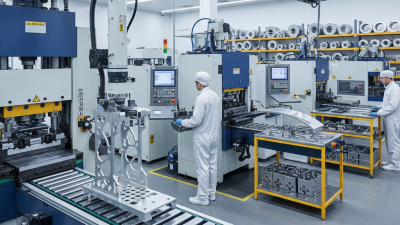
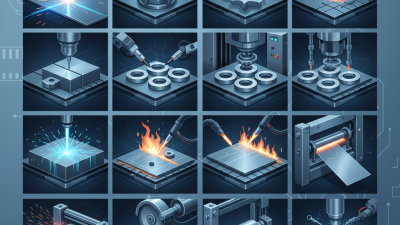
| Fabrication-focused supplier | Steel sheet selected for downstream operations such as laser cutting, punching, bending, or welding. | Cutting and forming services may be offered alongside material supply, either in-house or through partners. | Can simplify procurement when material preparation and fabrication are part of the same project. | Confirm who supplies the base material, how grade traceability is handled, and which tolerances apply to finished parts. | Project buyers seeking prepared components rather than unprocessed sheet alone. |
Specification note: Common U.S. standards for steel sheet include ASTM A1008 for cold-rolled carbon steel, ASTM A1011 for hot-rolled carbon steel, and ASTM A653 for zinc-coated (galvanized) steel. Product availability and exact requirements vary by supplier, mill, grade, thickness, and order quantity; confirm the applicable standard and documentation when requesting a quotation.